

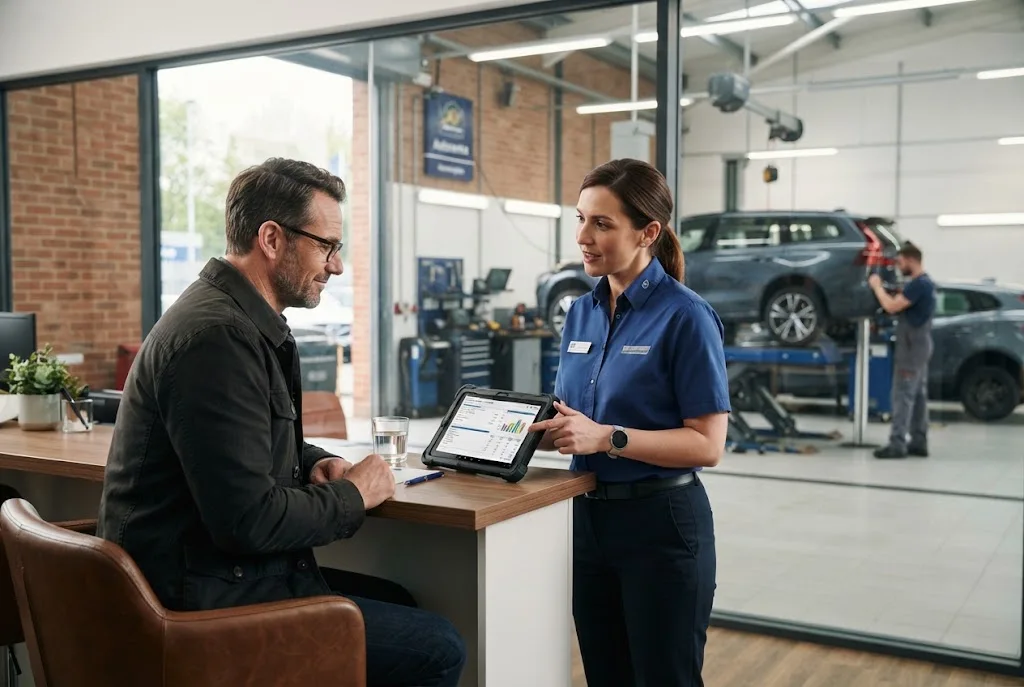
Unexpected vehicle repairs can put pressure on a household budget, especially when a car is essential for commuting, family responsibilities or work. Repair finance can give motorists another way to manage the cost of essential repairs by spreading payments rather than paying the entire amount immediately. However, different finance arrangements have different costs, terms and protections, so it is important to understand what you are agreeing to before using one.
From brake repairs and clutch replacement to electrical faults and major mechanical work, repair bills can vary considerably. Modern vehicles can also require specialist diagnostics and replacement components, making some repairs more expensive than drivers expect. Payment options can therefore form an increasingly important part of the wider automotive service experience.
What Is Repair Finance?
Repair finance generally refers to a credit or payment arrangement that allows a customer to spread the cost of vehicle repairs over an agreed period. Depending on the provider, the arrangement could involve fixed instalments, deferred payment or another form of structured repayment.
The exact terms matter. Some arrangements may advertise an interest-free period, while others can involve interest, administration charges or other costs. The total amount repaid may therefore be higher than the original repair invoice.
Before accepting an offer, drivers should look beyond the monthly payment. The total amount payable, repayment period, fees, interest rate and consequences of missed payments all deserve attention.
Why Drivers May Consider Repair Finance
Vehicle repairs are often difficult to postpone. A worn component may become a safety issue, while a mechanical failure can leave a vehicle unusable. If a driver does not have enough savings available, spreading the cost may appear more manageable than paying a large bill at once.
Repair finance can be particularly relevant when the vehicle is otherwise reliable and the repair is necessary to keep it roadworthy. However, affordability should remain the starting point. A payment arrangement should not turn an affordable repair into a longer-term financial problem.
Drivers should also consider whether the repair itself represents good value. If an older vehicle needs several expensive repairs in a short period, replacing the vehicle may eventually make more financial sense than repeatedly financing individual repairs.
How Repair Payment Plans Work
Repair payment plans can differ depending on the garage, finance provider and type of credit arrangement. A customer may be offered a way to pay a repair invoice through several scheduled instalments rather than making one payment.
Some providers may integrate the payment process directly into a garage’s booking or invoicing system. Others may require a separate application with a finance company.
Before signing up, ask the garage or finance provider to explain:
- The amount being financed.
- The number and frequency of repayments.
- The total amount payable.
- Whether interest applies.
- Any setup, administration or late-payment fees.
- What happens if a payment is missed.
- Whether the arrangement is regulated credit.
- What cancellation or withdrawal rights apply.
Written information is particularly useful because it allows motorists to compare the finance offer with other ways of paying for the repair.
Maintenance Plans Versus Repair Finance
Maintenance plans are different from repair finance. A maintenance plan is generally designed around planned servicing and vehicle upkeep, while finance is primarily concerned with how a particular cost is paid.
A maintenance plan might cover scheduled servicing or selected maintenance items for a recurring fee. Depending on the provider and vehicle, the plan may make routine costs easier to budget for.
Repair finance, on the other hand, becomes relevant when a specific repair or unexpected expense needs to be paid. The two approaches can therefore complement each other rather than serving exactly the same purpose.
For example, a driver could use a maintenance plan for predictable servicing while keeping an emergency fund available for unexpected repairs. If a significant repair occurs and savings are insufficient, a suitable payment arrangement might then be considered.
Subscription Servicing and Recurring Payments
Subscription servicing is another development changing how motorists think about vehicle maintenance. Instead of paying separately for every scheduled service, a customer may pay a recurring amount for an agreed package of services or maintenance benefits.
This model can make budgeting more predictable. Rather than facing a large servicing bill at a particular time of year, a driver knows that a regular payment is being taken according to the terms of the plan.
However, subscriptions need careful comparison. A low monthly payment does not necessarily mean a plan is cheaper overall. Drivers should establish exactly what is included, what is excluded and whether additional work is charged separately.
Recurring payments can also make it easier to overlook a subscription that is no longer useful. Customers should periodically review their plans and check whether the services they are paying for remain appropriate for their vehicle.
Digital Payment Systems Are Changing Vehicle Servicing
Modern garages increasingly use digital payment systems to make bookings, quotations, invoices and payments easier to manage. This can reduce administrative friction and give customers clearer access to information about the work being carried out.
Digital systems can also support online approval processes. A customer may receive an estimate electronically, review the proposed work and then select an available payment method.
For garages, these systems can connect customer records, repair estimates and payment information. For drivers, the benefit can be a more transparent and convenient service journey.
Digital payment technology is also relevant to other parts of automotive ownership. For example, motorists using connected tyre services and smart tyre technology may receive maintenance recommendations that can be incorporated into a broader digital service history.
What to Know About Buy Now, Pay Later for Repairs
Some businesses may offer deferred payment or Buy Now, Pay Later-style arrangements for goods or services. UK regulation in this area has recently changed significantly.
The Financial Conduct Authority began regulating Deferred Payment Credit, commonly known as Buy Now Pay Later, on 15 July 2026 when it is provided by a third-party lender and meets the relevant conditions. The FCA says regulated providers must meet requirements covering areas such as affordability, customer information and support where borrowers experience payment difficulties.
This does not mean every payment arrangement offered directly by a garage is regulated in exactly the same way. The structure of the agreement and the parties involved matter. Therefore, customers should establish who is providing the credit and what protections apply before entering into an arrangement.
The FCA also provides a Firm Checker that consumers can use to check whether relevant firms are authorised. This can be a useful step when considering a finance provider.
Compare the Total Cost, Not Just the Monthly Payment
One of the easiest mistakes with vehicle finance is focusing only on the monthly figure. A payment of £50 may sound manageable, but the total cost depends on how many payments are required and whether interest or other charges apply.
For example, a £1,200 repair spread over 12 months with no additional cost would mean £100 per month. If interest or fees are added, the total repayment would be higher.
This is why motorists should compare the total amount payable rather than selecting the option with the lowest advertised instalment.
It is also worth checking whether paying by another method would be cheaper. Depending on the circumstances, available savings, an existing credit facility or another payment method may have different costs and protections.
When Repair Finance May Not Be the Best Choice
Finance is not automatically the right solution for every repair. If the repayment would make it difficult to cover rent, household bills, fuel or other essential expenses, borrowing may create additional financial pressure.
Drivers should also be cautious when the repair cost is close to the value of the vehicle. Financing a major repair on a car that is already unreliable may not provide good long-term value.
In these situations, it can be useful to ask the garage for a detailed estimate and discuss the urgency of each item. Some repairs may be safety-critical and require immediate attention, while others may be suitable for planned maintenance.
Repair Finance and Vehicle Inspection
Understanding the condition of a vehicle before spending significant money on repairs can help drivers make better decisions. A professional vehicle inspection can provide useful information about a vehicle’s condition, particularly when buying a used car or assessing whether an older vehicle is worth keeping.
This is where inspection, maintenance and payment planning connect. A vehicle inspection can identify potential repair requirements, while a maintenance plan may help with predictable servicing and repair finance may provide a payment option when an unexpected cost arises.
Keeping these areas separate helps drivers avoid making rushed decisions based solely on the size of a repair bill.
Questions to Ask Before Accepting a Payment Plan
Before agreeing to any finance or payment plan, motorists should ask a few straightforward questions.
- Is the arrangement finance, a payment plan or a subscription?
- Who provides the credit?
- What is the total amount I will repay?
- Is interest charged?
- Are there additional fees?
- How long will repayments continue?
- What happens if I miss a payment?
- What consumer protections apply?
- Can I settle the balance early?
- What exactly is included in the repair quotation?
These questions can make the decision much clearer. A reputable garage or finance provider should be able to explain the arrangement without relying on confusing language.
The Future of Automotive Service Payments
Vehicle servicing is becoming increasingly digital, and payment systems are likely to become more integrated with booking, diagnostics and maintenance records. A customer could increasingly manage inspections, service reminders, repair approvals and payments through connected platforms.
This could make vehicle ownership easier to manage, particularly for motorists who prefer digital records and predictable monthly costs. However, convenience should not replace careful financial decision-making.
As automotive services become more connected, drivers will have more options for managing maintenance and repair expenses. The key is choosing an arrangement based on affordability, transparency and the actual needs of the vehicle.
Making a Smarter Decision About Repair Costs
Repair finance can be useful when a necessary vehicle repair creates an immediate cash-flow challenge, but it should be viewed as a financial tool rather than a solution to every repair bill. Understanding the total cost, repayment terms and applicable protections is essential before agreeing to borrow.
At the same time, preventive maintenance can reduce the likelihood of some unexpected problems. Combining regular servicing, professional inspections and technologies such as tyre monitoring can help drivers identify issues earlier and plan vehicle costs more effectively.
For UK motorists, the best approach is therefore straightforward: understand the repair, compare the payment options, check affordability and read the agreement carefully. A convenient payment method is valuable only when it remains manageable over the full repayment period.
