

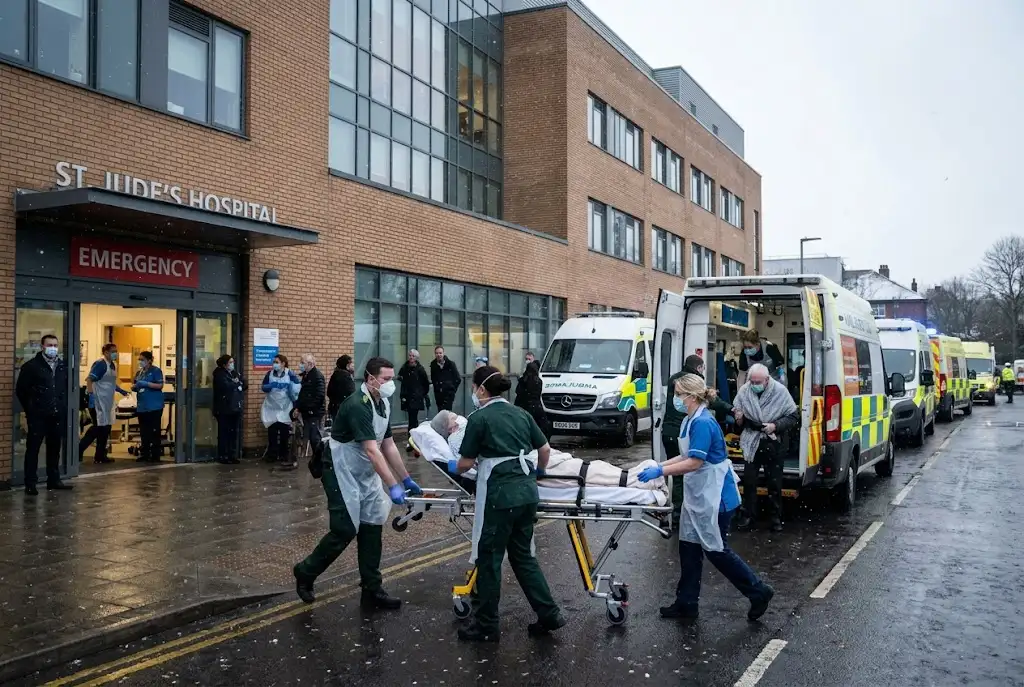
January 2021 marked one of the most demanding periods of the COVID-19 pandemic for hospitals in England. New NHS figures showed just how quickly pressure on the health service had intensified during the winter wave, with 101,956 patients admitted to hospital with COVID-19 during the month.
The figure was striking because January alone accounted for almost a third of all COVID patients who had required hospital treatment since the beginning of the pandemic. The numbers provided a clearer picture of the scale of the second major wave and the pressure faced by NHS staff during the first month of 2021.
Although these figures are now historical, they remain important for understanding how the winter 2020–21 wave developed and why the UK entered another national lockdown in January 2021.
What Did the NHS COVID Admissions Figures Show?
NHS England reported that hospitals treated 101,956 patients with COVID-19 during January 2021. By comparison, hospitals had treated 242,307 COVID patients during the whole of 2020.
That meant January represented nearly one third of all COVID hospital admissions recorded since the start of the pandemic up to that point.
The scale of the increase was also visible when January was compared with December. COVID hospital admissions increased by approximately 79 per cent between December 2020 and January 2021.
The figures reflected the severity of the winter wave, which followed a rapid increase in infections towards the end of 2020 and the emergence of a more transmissible variant first identified in Kent.
Why Did Admissions Rise So Sharply?
The rise in hospital admissions was linked to the rapid spread of COVID-19 across England during the final weeks of 2020 and the beginning of 2021.
By January, the NHS was dealing with a much larger number of patients requiring hospital treatment than during the summer months. The situation followed a period in which restrictions were temporarily relaxed around Christmas before England entered a new national lockdown on 6 January.
The increased transmissibility of the variant circulating widely in England was one of the major factors behind the rapid growth in cases. As infections increased, hospitals subsequently saw more patients requiring treatment.
The timing created an especially difficult situation for the NHS because hospitals were already dealing with the normal winter demand for healthcare while also responding to the pandemic.
January Accounted for Almost One Third of COVID Admissions
The most significant statistic was the proportion of pandemic hospital admissions that occurred in January.
During 2020, NHS hospitals treated 242,307 patients who were confirmed to have COVID-19. In January 2021 alone, another 101,956 patients were admitted.
That single month therefore represented almost one third of the total COVID hospital admissions recorded from the beginning of the pandemic through the end of January.
The figure helps put the winter wave into context. Rather than representing a gradual continuation of the first wave, the January surge created another period of exceptionally high demand for hospital beds, critical care and clinical staff.
Pressure on Critical Care
The pressure was particularly severe in critical care. NHS England said that hospitals were treating more people with COVID-19 in critical care during the winter wave than they had during the peak of the first wave.
On 23 January 2021, 5,381 people were receiving critical care, according to NHS England figures published shortly afterwards. That was substantially above the level seen at the peak of the first wave.
Earlier NHS figures also showed that more than 30,000 COVID patients were in hospital towards the end of January, including more than 3,500 people in beds with mechanical ventilation.
These figures demonstrate why the winter wave placed such a significant burden on hospitals. COVID patients needed a range of care, from ordinary ward treatment to highly specialised critical care and mechanical ventilation.
The NHS Was Still Treating Other Patients
The pressure created by COVID did not mean that every other NHS service stopped.
One of the less obvious features of the January figures was the amount of non-COVID care that continued while hospitals were dealing with the winter surge.
NHS England later reported that approximately 961,000 patients received elective care during January 2021, including routine operations and other planned procedures. Around 350,000 people also received emergency care for conditions unrelated to COVID-19.
This was significantly more non-COVID activity than during the peak of the first wave in April 2020. At that time, hospitals had been forced to reorganise services on an unprecedented scale while the health service learned how to respond to the new virus.
The winter response therefore involved trying to care for large numbers of COVID patients while continuing essential services for people with cancer, heart disease, injuries and other medical conditions.
What Happened to Cancer Treatment?
Cancer treatment was another important part of the picture.
NHS England reported that 25,199 people started cancer treatment in December 2020. That was 555 more than in December 2019, although the wider pandemic had still caused major disruption to cancer services during 2020.
January also saw a significant number of cancer referrals and treatments continuing despite the pressure caused by COVID.
This does not mean the pandemic had no effect on cancer care. The disruption to diagnosis, referrals and waiting times during 2020 remained a major concern. However, the figures showed that NHS staff were continuing to provide important non-COVID services even while COVID admissions were exceptionally high.
How Did January Compare With the First Wave?
The winter surge differed from the first wave in several ways.
During the first wave in April 2020, hospitals faced a new disease with limited knowledge about how best to treat it. Services were rapidly reorganised, routine activity was reduced and hospitals created additional capacity to prepare for a potentially overwhelming demand.
By January 2021, clinicians had gained more experience treating COVID patients. Hospitals had also developed new systems for infection control, critical care and patient management.
Even with that experience, however, the number of patients arriving during the winter wave was extremely high.
NHS England reported that more than 100,000 COVID patients were admitted during January alone. The organisation also said that hospitals were treating more COVID patients in critical care than during the first wave.
The combination of high admissions and continued non-COVID demand made January one of the most challenging periods of the pandemic for the health service.
Why the January 2021 Figures Matter Today
The NHS COVID admissions figures are now part of the historical record of the pandemic. They help explain why restrictions were tightened at the beginning of 2021 and why protecting hospital capacity became a central part of the public health response.
They also show why looking only at infection numbers does not provide the full picture of a major COVID wave. Hospital admissions are an important indicator of how an outbreak translates into pressure on healthcare services.
For researchers and readers looking back at the pandemic, the January 2021 data also provide a useful comparison with the first wave and later periods of the pandemic.
How Public Health Measures Related to Hospital Pressure
By early January 2021, England was under another national lockdown. The government had introduced the restrictions as infections increased and hospitals faced escalating pressure.
At the time, public health messaging focused heavily on reducing transmission through staying at home, limiting contact with other households and following measures such as hand hygiene, face coverings and physical distancing.
These measures formed part of a wider attempt to slow transmission and reduce the number of people who would subsequently require hospital treatment.
For readers researching the wider public-health response, WebVibe also has a related article examining the debate around fabric face masks and COVID-19.
What the Numbers Tell Us About NHS Capacity
The January figures also illustrate why hospital capacity became such a critical issue during the pandemic.
A hospital bed is only one part of the equation. COVID patients could require oxygen, specialist nursing, respiratory support, intensive care or mechanical ventilation. Each additional patient could therefore place demands on multiple parts of the health service.
Critical care capacity was particularly important because patients requiring intensive treatment need specialist staff and equipment. NHS England had expanded critical care capacity during the pandemic, but the January surge still placed considerable pressure on hospitals.
The figures also show why NHS leaders continued to urge the public to follow measures intended to reduce transmission even as admissions began to fall from their January peak.
Admissions Eventually Began to Fall
There was some evidence of improvement by early February 2021.
According to NHS data reported at the time, the seven-day rolling average for COVID admissions had fallen to 1,955 by 7 February. That compared with a peak of 3,812 on 12 January.
The decline was an encouraging sign, but hospitals remained under substantial pressure because large numbers of patients were still receiving treatment.
A fall in new admissions also did not mean the existing hospital burden disappeared immediately. Patients already admitted could require care for days or weeks, while staff continued to manage non-COVID patients and recover services affected by the pandemic.
Frequently Asked Questions
How many COVID patients were admitted to hospital in England in January 2021?
NHS England reported 101,956 COVID hospital admissions in January 2021.
Why was January 2021 significant for the NHS?
January accounted for almost one third of the COVID hospital admissions recorded since the beginning of the pandemic up to that point. It was therefore one of the most demanding months of the pandemic for hospitals in England.
Was January 2021 worse than the first COVID wave?
The two waves were different, but the winter wave created exceptionally high hospital and critical-care demand. NHS England reported that critical-care occupancy from COVID was higher during the January 2021 peak than during the first wave.
Did the NHS continue treating non-COVID patients?
Yes. Hospitals continued providing elective, emergency and cancer care while treating large numbers of COVID patients, although the pandemic caused significant disruption to some services.
When did COVID admissions begin falling in early 2021?
NHS data showed that new admissions had fallen from their mid-January peak by early February. The seven-day average was 1,955 admissions on 7 February, compared with 3,812 on 12 January.
The January 2021 NHS Surge in Perspective
The NHS COVID admissions figures from January 2021 provide a clear snapshot of the scale of the UK’s winter pandemic wave.
More than 100,000 people were admitted to hospitals in England with COVID during a single month. At the same time, NHS staff continued providing cancer treatment, emergency care, elective procedures and other essential services.
The figures also explain why January 2021 became such an important moment in the pandemic. Hospitals were dealing with unprecedented demand, critical care services were under intense pressure and policymakers were attempting to reduce transmission quickly.
Although the emergency phase of the pandemic has passed, these figures remain valuable for understanding the pressures faced by the NHS and the wider consequences of the winter 2020–21 COVID wave.
Readers can explore more health-related coverage through WebVibe’s Health section, which includes articles covering health, wellbeing and medical topics.
Sources: The historical figures and context in this article are based primarily on NHS England’s February 2021 hospital admissions release and its published COVID hospital activity statistics.
NHS England: Hospitals admit one third of COVID patients in a single month
NHS England: NHS staff cared for 50% more non-COVID patients during winter peak
