

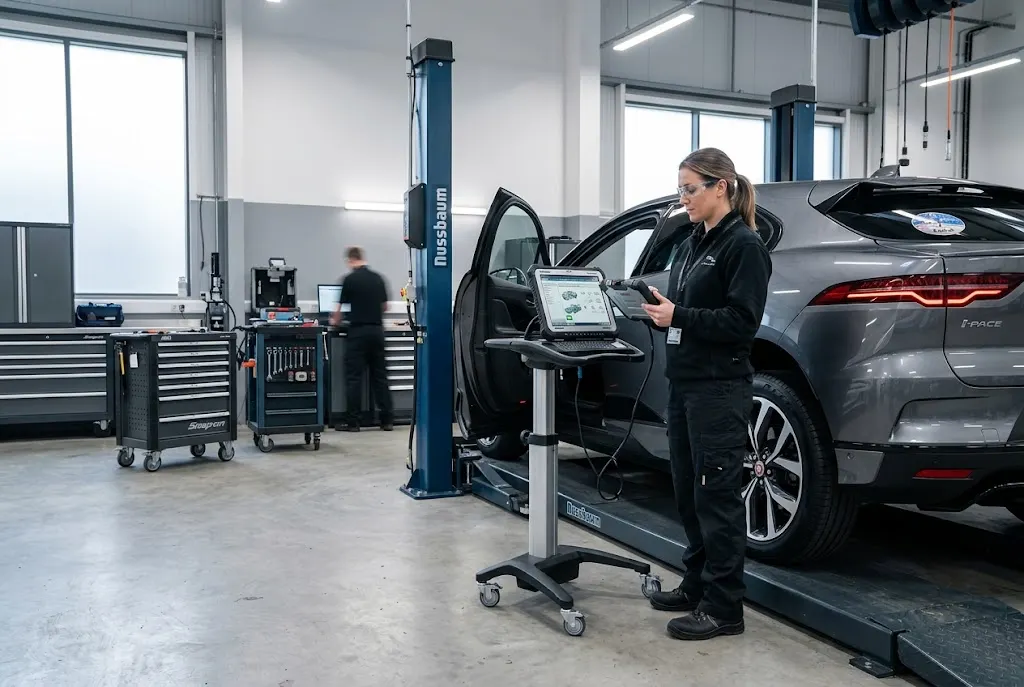
Modern auto services are changing how drivers maintain, inspect and manage their vehicles. While traditional garages remain important, advances in automotive technology are making vehicle care more connected, data-driven and convenient. From digital diagnostics and electronic service records to predictive maintenance and smart workshop systems, today’s drivers have access to more information about their cars than ever before.
For UK motorists, understanding these developments can make it easier to choose the right auto service, identify potential problems earlier and keep a vehicle in dependable condition. At the same time, garages are adopting digital tools that can improve inspections, maintenance planning and communication with customers.
What Are Auto Services?
Auto services cover the practical work required to inspect, maintain, repair and care for vehicles. Depending on the vehicle and its condition, this can include routine servicing, brake inspections, engine diagnostics, MOT-related checks, tyre services, electrical fault finding, fluid changes and mechanical repairs.
The modern concept is broader than simply taking a car to an auto garage service when something goes wrong. Digital systems now allow vehicle information, maintenance schedules and diagnostic results to be recorded and managed electronically. Connected vehicles can also provide data that helps identify maintenance needs before a problem becomes more serious.
This shift means an auto service centre can increasingly combine traditional mechanical expertise with software, diagnostic equipment and connected vehicle technology.
How Automotive Technology Is Changing Auto Services
Automotive technology has become an important part of everyday vehicle maintenance. Modern cars contain numerous electronic control units, sensors and driver-assistance systems, making computer-based diagnostics an essential part of many repairs.
Diagnostic equipment can communicate with a vehicle’s onboard systems to identify stored fault codes and provide technicians with information about potential problems. This does not eliminate the need for professional judgement, but it can help technicians investigate faults more efficiently.
Digital systems are also changing the way vehicle information is stored. Instead of relying entirely on paper invoices and service books, drivers may have access to digital service records containing information about previous maintenance and repairs.
These developments are particularly useful when a vehicle changes ownership, because a well-maintained digital history can make it easier to understand what work has previously been completed.
Auto Services and Routine Car Maintenance
Routine maintenance remains one of the most important parts of responsible vehicle ownership. Even with advanced technology, cars still require physical inspections, replacement parts, fluid checks and servicing at appropriate intervals.
A professional auto service can help identify wear before it develops into a more expensive problem. Depending on the vehicle manufacturer’s requirements and the car’s age, mileage and usage, maintenance may involve checking brakes, tyres, suspension components, steering, lights, fluids and other mechanical or electrical systems.
It is also important to distinguish routine servicing from an MOT test. The UK government explains that an MOT checks whether a vehicle meets required roadworthiness and environmental standards, but it is not the same as a full vehicle service and does not assess every aspect of a car’s mechanical condition.
For official information about what an MOT covers, motorists can consult the GOV.UK MOT guidance.
Digital Vehicle Services for UK Drivers
Digital vehicle services can make routine car care easier to organise. A modern system may store service dates, inspection findings, maintenance records and diagnostic information in one place.
For drivers, this can reduce the need to search through old paperwork when arranging maintenance. It can also provide a clearer overview of completed work and upcoming servicing requirements.
Some digital platforms can send reminders when maintenance is approaching. Others may allow customers to receive inspection results electronically, review recommended repairs or communicate with a garage without relying entirely on telephone calls and paper documents.
However, digital convenience should complement professional servicing rather than replace it. Software can organise information, but trained technicians are still needed to assess physical components, interpret diagnostic results and carry out repairs safely.
Why Smart Auto Services Matter
Smart automotive services focus on using vehicle data and digital tools to make maintenance more proactive. Instead of waiting until a warning light appears or a component fails, connected systems may help identify patterns that suggest attention is required.
This approach is closely related to predictive maintenance. By analysing available vehicle information, technicians and service providers may be able to identify potential issues earlier and plan appropriate inspections.
Predictive systems should not be treated as a guarantee that every fault will be detected before failure. Vehicles remain complex mechanical systems, and some problems can develop without producing useful electronic signals. Nevertheless, combining digital information with conventional inspections can create a more complete approach to vehicle care.
Choosing an Auto Garage Service
Choosing the right provider is about more than finding the cheapest quote. Drivers should consider whether a garage has the equipment, expertise and service approach appropriate for their vehicle.
For modern cars, access to suitable diagnostic equipment can be particularly important. A garage may also need specialist knowledge for vehicles equipped with advanced driver-assistance systems, hybrid technology or increasingly complex electronic components.
Clear communication is equally valuable. A good garage should explain what has been identified, distinguish urgent repairs from recommended work and provide understandable information about the work being proposed.
Drivers should also keep their own records of maintenance and repairs. Even where a garage maintains digital records, retaining invoices and service documentation can help establish the vehicle’s history.
Auto Services, Inspections and Diagnostics
Inspection and diagnostics play different but complementary roles within modern vehicle care. A physical inspection can identify visible wear, damage, leaks or other mechanical concerns, while diagnostic equipment can provide information from the vehicle’s electronic systems.
This combination is becoming increasingly important because modern vehicles rely heavily on electronic components. A warning light may point towards a particular system, but further investigation is often needed to determine the underlying cause.
For this reason, digital diagnostics should be viewed as a tool rather than a complete diagnosis by itself. Experienced technicians still need to interpret results and verify whether a suspected fault is actually responsible for the vehicle’s symptoms.
Drivers looking for more detailed information can explore our guide to auto inspection services, which focuses specifically on vehicle inspections, diagnostics and emerging diagnostic technology.
The Rise of the Digital Auto Service Garage
The traditional garage is also evolving. A modern auto service garage may use workshop management software, electronic job cards, digital customer records and connected diagnostic equipment alongside conventional tools.
Workshop software can help organise bookings, customer information, vehicle histories and maintenance tasks. This can make it easier for a garage to manage its workload while giving customers clearer updates about their vehicles.
Connected garages can also integrate diagnostic information with workshop processes. When implemented properly, this can reduce unnecessary administration and help technicians access relevant vehicle information during a repair.
Our dedicated guide to auto service garages explores how digital workshops, automation and cloud-based garage systems are transforming the traditional service environment.
Connected Vehicle Maintenance
Connected vehicles are creating new possibilities for vehicle maintenance. Depending on the technology available, vehicle data can provide information about operating conditions, warnings and potential maintenance requirements.
This supports a more proactive approach to vehicle maintenance. Instead of relying solely on a fixed calendar, maintenance decisions can increasingly consider mileage, vehicle condition and available diagnostic information.
Drivers should still follow the vehicle manufacturer’s recommended maintenance schedule. Connected technology can supplement that schedule, but it should not be assumed to replace manufacturer guidance or professional inspections.
For a deeper look at this area, read our guide to vehicle maintenance, including maintenance records, preventive care, connected vehicles and maintenance automation.
What the Future of Auto Services Could Look Like
The future of auto services is likely to involve closer integration between mechanical expertise, digital diagnostics, connected vehicles and workshop technology. Drivers may increasingly expect service providers to offer digital records, electronic inspection reports, online booking and clearer maintenance communication.
Artificial intelligence and predictive systems may also become more useful as vehicle data becomes more accessible. However, the most effective approach will still combine technology with skilled human decision-making. A diagnostic system can highlight a potential issue, but a qualified technician must determine what it means and what action is appropriate.
For motorists, the key advantage is greater visibility. Better records, clearer diagnostic information and proactive maintenance planning can help make vehicle ownership more organised and reduce uncertainty around servicing.
How to Get More From Modern Auto Services
Drivers can make the most of modern vehicle care by keeping service records organised, following recommended maintenance intervals and asking questions when a garage identifies a fault. Digital tools are particularly useful when they make information easier to understand rather than simply adding more technology.
It is also worth treating routine maintenance as an ongoing process rather than something that only happens after a breakdown. Regular checks, appropriate servicing and timely repairs can help maintain reliability and roadworthiness.
Ultimately, the best auto service combines modern technology with practical expertise. Digital diagnostics, connected maintenance and workshop software can improve the process, but the goal remains the same: keeping vehicles safe, reliable and properly maintained for UK roads.
