

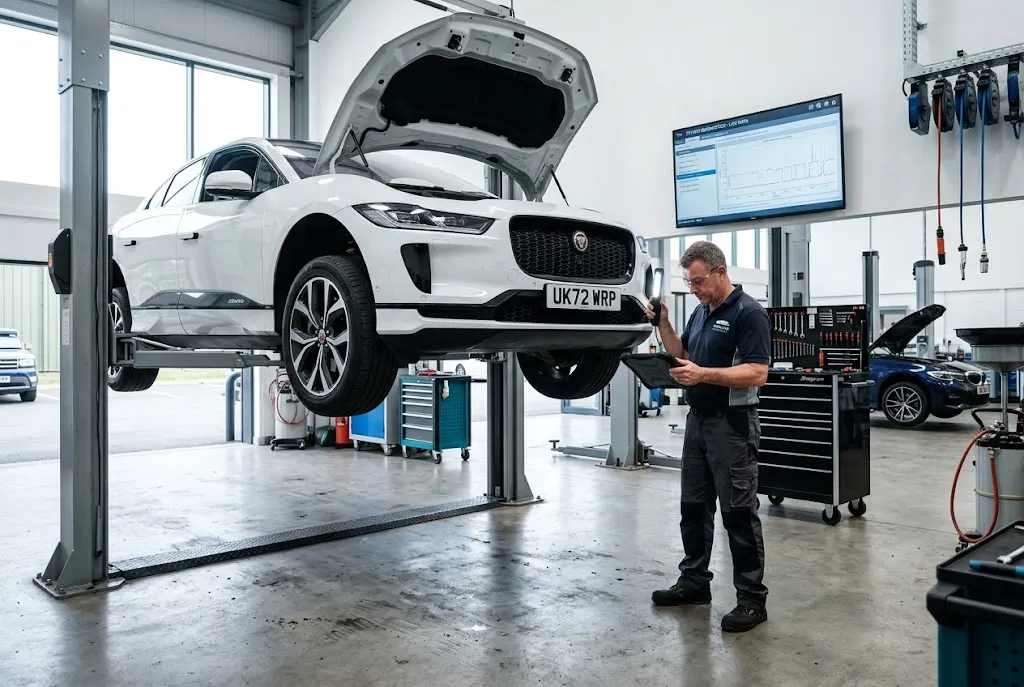
Car servicing is an essential part of keeping a vehicle reliable, efficient and suitable for everyday driving. While an MOT confirms that a vehicle meets specific roadworthiness and environmental requirements, servicing takes a broader look at the condition and maintenance needs of the car. Modern servicing is also becoming increasingly digital, with electronic records, computer diagnostics and connected vehicle technology changing how maintenance is planned and delivered.
For UK drivers, understanding the different types of servicing can make it easier to follow a manufacturer’s maintenance schedule and recognise when a vehicle needs attention. Whether you drive a relatively new car, an older family vehicle or a connected hybrid model, regular maintenance can help identify developing issues before they become more disruptive or expensive.
What Is Car Servicing?
Car servicing is a scheduled programme of vehicle checks and maintenance designed to keep important mechanical, electrical and safety-related components in suitable condition. The exact work depends on the vehicle manufacturer, model, age, mileage and previous maintenance history.
A service may involve checking or replacing fluids, inspecting brakes, examining tyres, checking suspension and steering components, replacing filters and carrying out diagnostic checks. Some vehicles also require specific maintenance based on their engine type or technology.
Unlike an MOT, a service is not simply a pass-or-fail legal test. Instead, it is a maintenance process intended to assess the condition of the vehicle and address servicing requirements identified by the manufacturer or technician.
Why Regular Car Servicing Matters
Regular maintenance gives drivers an opportunity to identify wear and potential faults before they develop into more serious problems. A small issue with a component may be easier and less expensive to address when discovered during routine maintenance than after a breakdown.
Servicing can also help maintain the vehicle’s overall condition. Items such as engine oil, filters, brakes and tyres naturally require attention as a car accumulates mileage and experiences normal use.
Another important benefit is maintaining an accurate service history. A well-documented history can make it easier for future owners or buyers to understand how the vehicle has been maintained.
Car Servicing vs an MOT
It is important not to treat an MOT as a replacement for servicing. The two have different purposes.
An MOT checks whether a vehicle meets the required standards at the time of the test. It covers specific areas related to roadworthiness and environmental requirements. A service, on the other hand, focuses on maintenance and the wider condition of the vehicle.
A car can therefore have a valid MOT while still requiring servicing or repairs. GOV.UK provides official guidance on what an MOT test covers, which can help motorists understand the distinction.
Keeping both requirements in mind is important. Drivers should follow their vehicle’s servicing schedule while also ensuring the MOT remains valid when legally required.
Types of Car Servicing
The exact terminology used by garages can vary, but servicing is commonly divided into different levels depending on the vehicle’s maintenance schedule and requirements.
Interim Service
An interim service is generally intended for vehicles that cover relatively high annual mileage or require maintenance between more comprehensive services. The checks and replacement items depend on the manufacturer’s servicing requirements.
It can provide an opportunity to check key components and address routine maintenance needs without necessarily carrying out every item included in a major service.
Full Car Service
A full car service typically involves a broader range of inspections and maintenance than a basic interim service. Depending on the vehicle, it may include checks of fluids, filters, brakes, steering, suspension, tyres and other important systems.
Because service schedules differ between manufacturers and models, drivers should check the vehicle handbook or manufacturer’s recommended maintenance plan rather than assuming every full service includes exactly the same work.
Major Service
A major service is generally the most comprehensive routine maintenance level offered within a manufacturer’s service cycle. It can include additional replacement items or inspections that are not required at every service interval.
The timing of a major service depends on the specific vehicle. Drivers should therefore use the manufacturer’s schedule as the primary reference when determining when this type of maintenance is due.
Digital Service Records
Technology is changing how vehicle maintenance information is stored. Instead of relying exclusively on a paper service book, many modern vehicles and garages use digital service records.
Digital records can make it easier to keep track of previous servicing, repairs and maintenance events. They can also reduce the risk of losing physical documents and make relevant information easier to access when a vehicle is sold or transferred.
For drivers, keeping invoices and supporting documents remains sensible even when a digital maintenance system is used. A complete record provides a clearer picture of the vehicle’s history and can help when discussing future maintenance with a garage.
How Diagnostics Are Becoming Part of Car Servicing
Modern vehicles contain sophisticated electronic systems, so diagnostic equipment has become an important part of many servicing processes. A technician can use appropriate diagnostic equipment to retrieve information from vehicle systems and investigate warning lights or electronic faults.
This is particularly relevant as vehicles become more dependent on sensors, electronic control systems and driver-assistance technology. A warning message may identify a system that requires attention, but further testing is often necessary to determine the underlying problem.
Drivers interested in the wider role of technology can explore our guide to auto inspection services, which covers vehicle inspections, digital diagnostics and emerging approaches to vehicle health monitoring.
Predictive Maintenance and Connected Maintenance
Traditional servicing relies heavily on time and mileage intervals. However, connected vehicle technology is creating opportunities for more data-informed maintenance.
Predictive maintenance uses available vehicle information to identify signs that a component may require attention. Instead of relying entirely on a fixed interval, connected systems can potentially use information about vehicle operation and system condition to support maintenance decisions.
Connected maintenance can also help service providers prepare for a vehicle’s visit. If relevant information is available before the car arrives, a garage may have a better understanding of the reported issue and the diagnostic work that may be required.
These technologies should complement rather than replace manufacturer recommendations and professional inspections. Not every mechanical problem can be predicted electronically, and physical components can still require hands-on examination.
Car Servicing for Modern and Connected Vehicles
Vehicle technology has expanded significantly, particularly with hybrids, electric vehicles and cars equipped with advanced driver-assistance systems. As a result, choosing an appropriate service provider can involve more than finding a conveniently located garage.
Drivers should consider whether the garage has appropriate diagnostic equipment and technicians with relevant experience for their particular vehicle. Some systems may require specialist knowledge or manufacturer-specific procedures.
This is one reason the broader move towards smart automotive services matters. Modern auto services increasingly combine conventional maintenance with digital tools, helping garages manage increasingly complex vehicles.
How to Prepare for a Car Service
Drivers can make a service appointment more useful by noting any changes in the vehicle before taking it to the garage. Unusual noises, warning lights, changes in fuel economy, steering behaviour or braking performance can all be worth mentioning.
It is also useful to bring relevant maintenance information if the garage does not already have access to the vehicle’s service history. Details about previous repairs, recent replacement parts and known issues can help provide additional context.
If the vehicle displays a warning message, drivers should record what happened and when it appeared. Even apparently minor symptoms can provide useful information to a technician.
Questions to Ask Your Garage
Good communication can make servicing much easier. Before approving additional work, drivers can ask the garage what has been identified, why the work is recommended and whether the issue requires immediate attention.
It is also reasonable to ask which items are part of the scheduled service and which are additional recommendations. This distinction can help drivers understand the cost and priority of the work.
Where a repair is recommended following a diagnostic check, asking for a clear explanation can also help prevent confusion. A professional garage should be able to explain the issue in language the customer can understand.
The Future of Car Servicing
The future of car servicing is likely to become increasingly connected. Digital records, workshop management systems, vehicle diagnostics and remote data can give drivers and technicians more information throughout the maintenance process.
As connected vehicles become more common, maintenance may become more proactive. Drivers could receive clearer reminders based on vehicle usage, while garages may have access to better information before a car arrives for inspection or repair.
However, technology will remain only one part of effective vehicle maintenance. Skilled technicians, appropriate parts, physical inspections and manufacturer guidance will continue to play an important role.
Keeping Your Vehicle Ready for UK Roads
Regular servicing provides a structured way to look after a vehicle throughout its ownership. Following the recommended maintenance schedule, keeping accurate records and responding promptly to warning signs can all contribute to better vehicle care.
As the automotive sector becomes more digital, drivers also have more tools available to manage maintenance. Digital service records and connected technologies can improve visibility, while modern diagnostic equipment can support technicians when investigating complex faults.
The most effective approach combines these developments with sensible preventive maintenance. By treating servicing as an ongoing part of vehicle ownership rather than a task to consider only when something fails, UK motorists can make vehicle care more organised, informed and proactive.
For a broader look at maintenance planning, records and connected vehicle care, see our guide to vehicle maintenance.
