

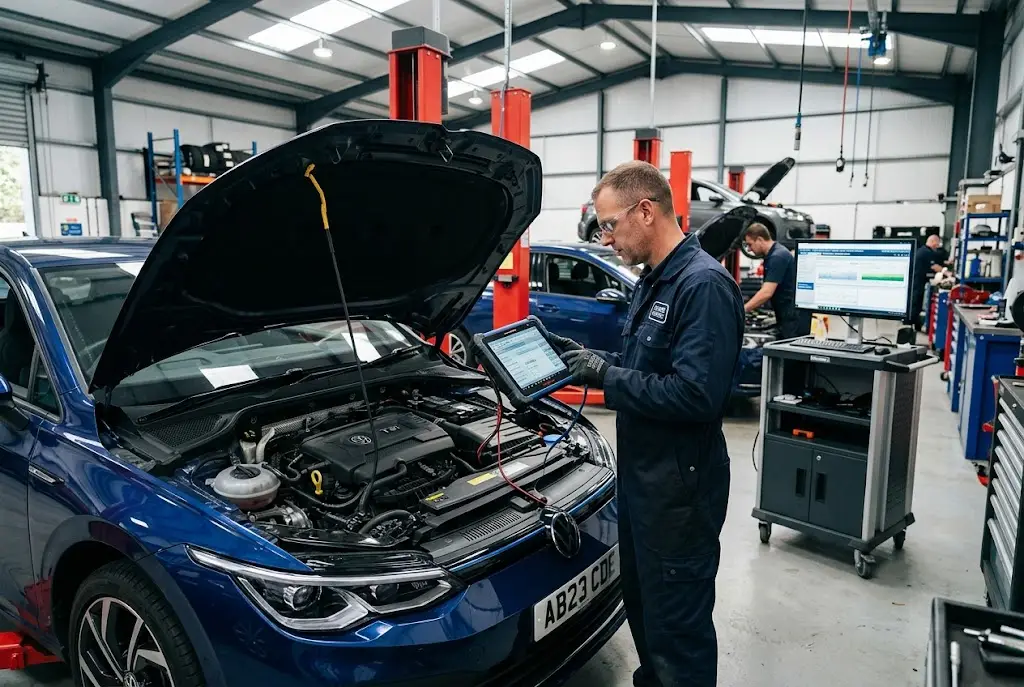
Auto inspection services are becoming increasingly important as modern vehicles rely on more electronic systems, sensors and computer-controlled components. A professional inspection can help identify visible wear, mechanical concerns and electronic faults, giving drivers a clearer understanding of their vehicle’s condition.
Traditional vehicle inspections remain valuable, but digital diagnostics and connected technology are expanding what technicians can check. For UK motorists, understanding how these services work can make it easier to choose the right inspection, interpret diagnostic findings and deal with potential problems before they become more disruptive.
What Are Auto Inspection Services?
Auto inspection services involve systematic checks of a vehicle’s condition. The scope can vary depending on why the inspection is being carried out. A routine inspection may focus on general condition and safety-related components, while a diagnostic inspection may investigate a specific warning light, unusual behaviour or suspected fault.
A professional inspection can include visual checks, mechanical assessment and electronic diagnostics. Technicians may examine areas such as tyres, brakes, steering, suspension, fluid levels, lights and other components relevant to the vehicle’s condition.
For modern vehicles, diagnostic equipment can provide additional information from electronic control systems. However, electronic fault codes should not automatically be treated as a complete diagnosis. Skilled technicians need to interpret the results and, where necessary, carry out further physical testing.
Why Auto Inspection Services Matter
Regular inspections can provide drivers with useful information about the condition of their vehicles. Some problems develop gradually and may not be immediately obvious during everyday driving.
Identifying worn components or developing faults earlier can give motorists more time to arrange repairs. It can also help prevent a minor issue from becoming a larger problem, although no inspection can guarantee that every future fault will be detected.
Inspections are particularly useful when a driver notices a change in how the vehicle behaves. Unusual noises, warning lights, changes in braking performance, steering issues or unexplained changes in vehicle performance may all justify professional investigation.
Vehicle Inspection vs MOT Testing
An inspection should not be confused with an MOT test. These services have different purposes.
An MOT assesses whether a vehicle meets specific legal standards relating to roadworthiness and environmental requirements at the time of the test. A broader vehicle inspection can examine areas outside the particular scope of the MOT and may be requested for maintenance, fault investigation or other purposes.
The official GOV.UK MOT guidance explains what motorists can expect from an MOT test.
This distinction matters because passing an MOT does not necessarily mean a vehicle is free from every mechanical or maintenance issue. Drivers should continue following their servicing and maintenance schedules.
What Happens During a Vehicle Inspection?
The exact process depends on the inspection type and the vehicle. A technician will normally begin by gathering information about the vehicle and any concerns reported by the driver.
A physical assessment may then cover key components and systems. The technician can look for signs of wear, damage, leaks or other conditions that warrant further investigation.
If an electronic issue is suspected, diagnostic equipment may be connected to the vehicle. This can provide information from onboard systems and help identify stored fault codes or other relevant data.
The technician can then combine the diagnostic information with physical findings and the customer’s description of the problem. This combined approach is important because a diagnostic code may indicate a system or circuit without identifying the precise mechanical cause.
Digital Diagnostics in Modern Vehicles
Modern cars contain sophisticated electronic systems, making digital diagnostics an increasingly important part of professional vehicle inspections. Diagnostic tools can communicate with vehicle control systems and provide information that may not be visible through a conventional visual check.
These tools can be particularly useful when investigating dashboard warning lights or electronic faults. They may help a technician identify where further testing should take place.
However, diagnostic software should support rather than replace professional expertise. A fault code is evidence that requires interpretation, not necessarily a definitive explanation of why a vehicle is experiencing a problem.
AI Diagnostics and Predictive Diagnostics
Artificial intelligence is beginning to influence the wider automotive technology sector, including approaches to vehicle diagnostics. AI-based systems can potentially process large quantities of vehicle data and identify patterns that may be difficult to spot through simple rules-based systems.
Predictive diagnostics takes a similar proactive approach by looking for signs that a component or system may require attention before a failure occurs. When combined with connected vehicle information, this could help service providers move from reactive fault finding towards more proactive maintenance planning.
These technologies should still be approached realistically. AI diagnostics do not eliminate the need for qualified technicians, physical inspection or appropriate testing. Mechanical faults can have multiple causes, and vehicle data may not always provide enough information to identify an issue conclusively.
Remote Diagnostics and Connected Vehicles
Connected vehicles are creating opportunities for remote diagnostics. Depending on the vehicle and technology involved, relevant data may be available without requiring the vehicle to be physically connected to a diagnostic device at a garage.
This can potentially help identify certain issues earlier and allow a driver or service provider to decide whether an inspection should be arranged. It may also help a garage prepare for an appointment by providing useful information about the reported problem in advance.
Remote monitoring is not a substitute for hands-on inspection. Some faults require physical testing, measurements or examination of components that cannot be evaluated reliably through remote vehicle data alone.
Vehicle Health Monitoring
Vehicle health monitoring focuses on tracking available information about a vehicle’s condition over time. Rather than looking at a car only when it enters a workshop, connected systems can potentially provide a more continuous picture of certain vehicle systems.
This approach can support preventive maintenance by helping drivers understand when attention may be required. It can also make maintenance records more informative when information is retained digitally.
For motorists, the practical advantage is greater visibility. Instead of relying entirely on memory or paper documentation, digital information can help create a clearer history of maintenance events and reported issues.
When Should You Arrange an Auto Inspection?
There is no single inspection interval that applies to every vehicle or situation. Drivers should follow the manufacturer’s maintenance recommendations and arrange additional checks when circumstances justify them.
An inspection may be appropriate when:
- A dashboard warning light appears.
- The vehicle develops an unusual noise or vibration.
- Braking or steering behaviour changes.
- The vehicle has suffered visible damage.
- A used car is being considered for purchase.
- A recurring fault has not been fully resolved.
- A vehicle is preparing for a longer journey and the driver wants its condition assessed.
Where a warning indicates a potentially serious problem, drivers should not rely on an inspection as a reason to continue driving indefinitely. The appropriate response depends on the warning and the vehicle’s symptoms.
Pre-Purchase Vehicle Inspections
Inspection services can also be useful when buying a used vehicle. A pre-purchase inspection can provide an independent assessment of the car’s condition beyond what can be learned from a test drive or visual examination by a buyer.
Potential buyers can ask the inspecting technician to look for signs of mechanical wear, damage, leaks and other concerns. Diagnostic equipment may also be useful for identifying electronic faults or stored information where appropriate.
An inspection cannot guarantee that a used car will remain trouble-free, but it can provide additional information before a purchase decision is made.
Choosing the Right Inspection Provider
When choosing a provider, consider whether the garage has suitable diagnostic equipment and experience with the type of vehicle being inspected. This is particularly relevant for newer vehicles, hybrids, electric cars and models equipped with advanced electronic systems.
It is also worth asking what the inspection includes. A comprehensive mechanical inspection and a simple diagnostic scan are not the same service. Understanding the scope beforehand can prevent confusion over what has actually been checked.
Clear reporting is another useful consideration. A good inspection report should distinguish between issues that require immediate attention, items that should be monitored and routine maintenance recommendations.
How Inspections Connect With Car Servicing
Inspection and servicing work together as part of a broader vehicle care strategy. A service follows a planned maintenance schedule, while an inspection may be carried out because of a specific concern or to obtain a broader assessment of the vehicle.
During a service, a technician may identify an issue that requires additional investigation. Likewise, an inspection can reveal maintenance requirements that should be addressed during a subsequent service.
Our guide to car servicing explains the differences between interim, full and major servicing, as well as the growing role of digital service records and connected maintenance.
How Digital Inspections Are Changing Garages
Digital tools are changing not only diagnostics but also the way garages manage inspections. Electronic inspection reports can allow technicians to record findings, attach relevant information and communicate recommendations more efficiently.
For customers, digital reports can make inspection results easier to review and retain. Instead of receiving only a verbal explanation, a driver may have a clearer written record of what the technician found.
This development is part of a wider transformation in the automotive sector. Modern auto service garages are increasingly using workshop software, digital job management and connected systems alongside conventional mechanical equipment.
The Future of Auto Inspection Services
The future of auto inspection services is likely to involve greater integration between physical inspections, diagnostic software, connected vehicles and data-driven maintenance.
As vehicles generate more information, service providers may be able to identify patterns earlier and offer more targeted inspections. AI and predictive systems could assist technicians by highlighting unusual data or potential areas of concern.
Nevertheless, professional judgement will remain essential. Technology can help collect and interpret information, but vehicle inspections still require appropriate testing and experienced technicians who understand how mechanical and electronic systems interact.
For UK drivers, the biggest benefit is likely to be better visibility into vehicle condition. By combining regular maintenance with appropriate inspections and modern diagnostic technology, motorists can take a more informed approach to vehicle care.
Making Vehicle Inspections Part of Smarter Car Care
Vehicle inspections should not be viewed only as a response to a breakdown or warning light. They can form part of a wider approach to preventive vehicle care, particularly when combined with scheduled servicing and accurate maintenance records.
Keeping track of previous work, paying attention to changes in vehicle behaviour and using qualified professionals when problems arise can all contribute to better maintenance decisions.
As automotive technology continues to develop, digital diagnostics and connected services will give drivers and garages more information. The most effective approach will be to use that information alongside traditional inspection methods and professional expertise.
For a broader overview of digital automotive care, see our guide to auto services.
