

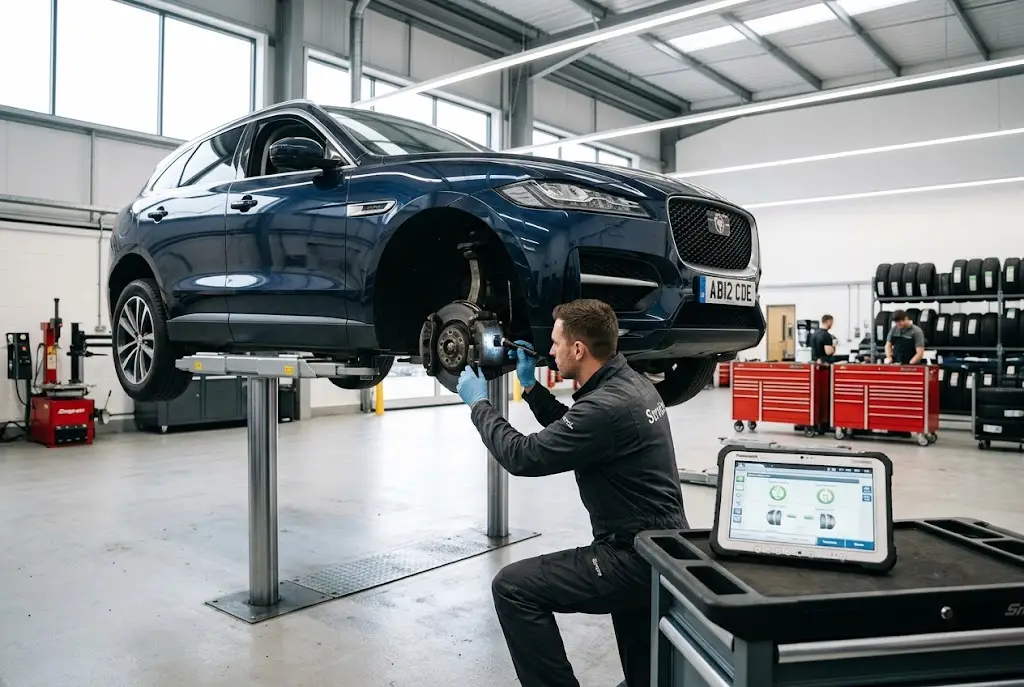
Vehicle maintenance is one of the most important parts of responsible car ownership. Regular checks, scheduled servicing and timely repairs can help drivers identify developing problems and keep their vehicles in suitable condition for everyday use. As modern cars become increasingly connected, maintenance is also becoming more digital, with electronic records, diagnostic tools and remote monitoring supporting traditional workshop inspections.
For UK motorists, effective maintenance is about more than reacting when a warning light appears. A proactive approach combines the manufacturer’s recommended schedule with regular checks, sensible preventive care and professional inspections when something seems unusual. Understanding these basics can make vehicle ownership more predictable and help drivers make better maintenance decisions.
What Is Vehicle Maintenance?
Vehicle maintenance covers the routine checks, servicing and repairs required to keep a car operating properly. It can include checking fluids, tyres, brakes, lights, suspension, steering, filters and other mechanical or electronic systems.
The exact requirements vary between vehicles. Manufacturers establish maintenance schedules based on factors such as mileage, time, engine type and vehicle design. Some components require attention at particular intervals, while others need inspection according to their condition.
Maintenance therefore works best as an ongoing process rather than a single annual task. Drivers should follow the vehicle handbook or manufacturer’s guidance while also responding appropriately to changes in vehicle condition.
Why Vehicle Maintenance Matters
Regular maintenance gives drivers an opportunity to identify wear and potential problems before they become more disruptive. Components naturally deteriorate through use, and ignoring small issues can sometimes allow them to develop into more significant repairs.
Routine maintenance can also help preserve the overall condition of a vehicle. Checking tyres, brakes, fluids and other essential systems provides useful opportunities to address issues before they interfere with normal driving.
Another benefit is better knowledge of the vehicle’s history. When maintenance and repairs are documented consistently, drivers have a clearer record of what has been done and what may be due next.
Following a Vehicle Maintenance Schedule
A maintenance schedule provides a structured plan for looking after a vehicle. The schedule can include time-based and mileage-based requirements, depending on the manufacturer.
Drivers should avoid assuming that every car follows the same interval. Two vehicles of similar age can have different maintenance requirements, so the manufacturer’s recommendations should remain the starting point.
Driving conditions can also affect maintenance needs. Frequent short journeys, heavy traffic, high mileage or demanding operating conditions may place different demands on a vehicle than occasional longer journeys.
Keeping a reminder system can make scheduled maintenance easier to manage. Digital calendars, service platforms and vehicle systems can all help drivers keep track of upcoming work.
Preventive Maintenance vs Reactive Repairs
Preventive maintenance focuses on addressing routine maintenance requirements before a component causes a larger problem. This can include following scheduled servicing, checking fluid levels and monitoring tyres and other wear items.
Reactive repairs happen after a fault or failure has occurred. While some unexpected repairs are unavoidable, relying entirely on breakdowns or warning lights to determine when a car needs attention can leave drivers with less flexibility.
A balanced approach combines scheduled maintenance with attention to symptoms. If a driver notices unusual noises, vibrations, warning lights, changes in braking or steering, or other unexpected behaviour, the vehicle should be assessed appropriately rather than waiting for the next scheduled service.
Vehicle Maintenance and Car Servicing
Servicing is an important part of a wider maintenance strategy. Depending on the vehicle, a service may include inspections, fluid checks, filter replacement and other maintenance work specified by the manufacturer.
Servicing should not be confused with an MOT. An MOT checks whether a vehicle meets specific legal requirements at the time of the test, whereas servicing focuses on maintaining the vehicle and addressing its maintenance needs.
Our guide to car servicing explains interim, full and major services and explores how digital service records and connected maintenance are changing the servicing process.
Keeping Accurate Maintenance Records
Maintenance records provide a useful history of work carried out on a vehicle. They can include service information, repair invoices, inspection findings and replacement parts.
Historically, many drivers relied on paper service books and printed invoices. Digital systems are increasingly providing an alternative way to organise this information.
Keeping records up to date can help drivers understand when work was last completed. It can also provide useful context for technicians when investigating a recurring issue.
Good records can be particularly valuable when a vehicle is sold. A clear maintenance history gives a prospective buyer more information about the vehicle’s previous care, although records should always be considered alongside the vehicle’s actual condition.
Digital Service History
A digital service history can make maintenance information easier to store and retrieve. Instead of keeping all documentation in a physical folder, relevant information may be recorded electronically by a manufacturer, garage or service platform.
Digital records can also improve continuity when a vehicle visits a garage more than once. Technicians may be able to review previous service information and repairs before beginning new work.
Drivers should still retain important invoices and documentation where possible. A digital record and supporting paperwork can work together to provide a more complete maintenance history.
Vehicle Maintenance and Modern Diagnostics
Modern vehicles contain numerous electronic systems, so diagnostic technology is now an important part of professional maintenance. Diagnostic equipment can provide technicians with information from vehicle control systems and assist with investigating warning lights or electronic faults.
Diagnostics are particularly useful when combined with physical inspection. Electronic information can point technicians towards an area that requires further testing, while hands-on assessment can reveal mechanical issues that software cannot identify.
This combination is becoming increasingly important as vehicles gain more sensors, electronic control units and driver-assistance features.
Connected Vehicles and Remote Monitoring
Connected vehicles can provide new opportunities for remote monitoring. Depending on the technology available, certain vehicle information may be transmitted or accessed through connected systems.
This can potentially help identify maintenance concerns earlier and provide service providers with useful information before a vehicle reaches a workshop. It may also allow drivers to receive notifications about particular vehicle conditions or maintenance requirements.
Remote monitoring should not be treated as a replacement for professional inspection. Many mechanical issues still require physical examination, testing or measurement, and not every problem produces useful electronic data.
Maintenance Automation
Maintenance automation can make routine vehicle care easier to organise. Digital platforms can provide reminders based on dates, mileage or available vehicle information, helping drivers keep track of upcoming maintenance.
Garages can also use automation to manage customer reminders, service appointments and maintenance records. This can reduce repetitive administrative work while making communication more consistent.
The most useful automation is simple and practical. Technology should make maintenance easier to manage rather than create additional complexity for drivers or workshops.
Vehicle Maintenance for Older Cars
Older vehicles can require particularly careful maintenance because components may experience greater wear over time. Age does not automatically mean that a vehicle is unreliable, but regular inspection becomes increasingly important as parts reach the later stages of their service life.
Drivers of older cars should pay attention to changes in starting behaviour, braking, steering, suspension, fluid levels and engine performance. Unusual sounds or leaks should also be investigated rather than ignored.
A consistent maintenance record can help identify recurring problems and provide technicians with useful background information.
Vehicle Maintenance for Modern and Connected Cars
Newer cars can require a different maintenance approach because of their increasing reliance on electronic systems. Hybrid and electric vehicles, for example, have different technologies from conventional petrol and diesel cars.
Vehicles equipped with advanced driver-assistance systems can also require appropriate equipment and technical knowledge when certain components are inspected, repaired or replaced.
This makes the choice of service provider important. Drivers should consider whether a garage has suitable diagnostic equipment and experience with their particular vehicle.
Our guide to auto service garages looks at how modern workshops are using digital diagnostics, workshop software, cloud systems and connected technology.
Simple Vehicle Maintenance Checks Drivers Can Make
Professional servicing remains essential, but drivers can also carry out simple checks as part of everyday vehicle care.
- Check tyre condition and pressure according to the vehicle manufacturer’s recommendations.
- Pay attention to dashboard warning lights.
- Check fluid levels where the vehicle’s instructions allow the driver to do so safely.
- Make sure exterior lights are working correctly.
- Look for obvious leaks or unusual changes around the vehicle.
- Pay attention to unusual noises, vibrations or changes in handling.
- Keep track of service and maintenance dates.
These checks are not a replacement for professional servicing or inspection. Their purpose is to help drivers notice changes between scheduled workshop visits.
When to Contact a Garage
Drivers should consider professional assessment when they notice a persistent warning light, unusual mechanical noise, changes in braking or steering, fluid leaks or other unexpected behaviour.
The urgency depends on the nature of the problem. Some issues may allow a vehicle to be driven to a garage, while others may require the driver to stop using the vehicle and seek appropriate assistance.
When booking an inspection, giving the technician a clear description of the symptoms can be useful. Details such as when the problem occurs, whether it happens during acceleration or braking, and whether a warning light appeared can help guide the initial investigation.
How Technology Is Improving Vehicle Maintenance
The wider move towards digital automotive services is changing how maintenance information is collected and used. Modern auto services can combine conventional vehicle care with digital records, diagnostics and connected technology.
This can create a more informed maintenance process. Instead of relying entirely on paper records or a driver’s memory, garages can increasingly use structured digital information to understand a vehicle’s history and current condition.
For drivers, the result can be better visibility into maintenance requirements and clearer communication with service providers.
The Future of Vehicle Maintenance
The future of vehicle maintenance is likely to become increasingly proactive and connected. As vehicles generate more useful data, service providers may be able to identify potential maintenance needs earlier and prepare more effectively for workshop visits.
Predictive technology could support this transition by analysing vehicle information and identifying patterns associated with potential component problems. However, predictive systems should complement rather than replace established maintenance schedules and professional inspections.
Artificial intelligence, connected vehicle platforms and digital workshop systems may also improve how maintenance information is managed. The strongest approach will continue to combine these tools with skilled technicians and appropriate physical inspections.
Building a Better Vehicle Maintenance Routine
A good maintenance routine does not need to be complicated. Drivers should start with the manufacturer’s recommended schedule, keep accurate records and pay attention to changes in vehicle behaviour.
Regular servicing, preventive checks and timely professional inspections can work together to create a more proactive approach to vehicle care. Digital records and connected services can make that process easier to organise, while modern diagnostic tools can provide additional information when faults occur.
Ultimately, effective vehicle maintenance is about consistency. Looking after a vehicle before problems become urgent can make ownership more manageable and provide drivers with greater confidence on UK roads.
For more information about inspections and digital diagnostic technology, explore our guide to auto inspection services.
