

In today’s diverse salon environment, mastering multi-cultural hair styling isn’t just a specialty, it’s a necessity. As the beauty industry evolves, professionals must equip themselves with both the knowledge and tools to confidently work with all hair types and textures. This comprehensive guide explores the essential tools and techniques needed to excel in multi-cultural hair styling, helping you expand your expertise and grow your client base.
Understanding Hair Type Classifications
Hair texture isn’t just about straight, wavy, or curly. The Andre Walker Hair Typing System classifies hair into four main categories (Types 1-4), with subcategories that consider both curl pattern and texture. The experts insist that understanding these classifications is crucial for selecting the right tools and techniques:
- Type 1: Straight hair (minimal to no wave)
- Type 2: Wavy hair (S-shaped waves)
- Type 3: Curly hair (definite curl patterns)
- Type 4: Coily hair (tight coils and zigzag patterns)
Tool Maintenance for Multi-Cultural Styling
Maintaining your tools is crucial for consistent results across different hair types. Regular cleaning, calibration checks, and proper storage ensure optimal performance. Pay special attention to heat tool plate cleanliness, brush and comb sanitization, temperature accuracy, cord maintenance, and regular professional servicing. For more information on professional use clippers and trimmers, check out https://prostylingtools.com/products/stylecraft-precision-saber-trimmer-cordless-digital-brushless-motor-metal-trimmer-sc403bp .
Essential Tools for Multi-Cultural Hair Styling
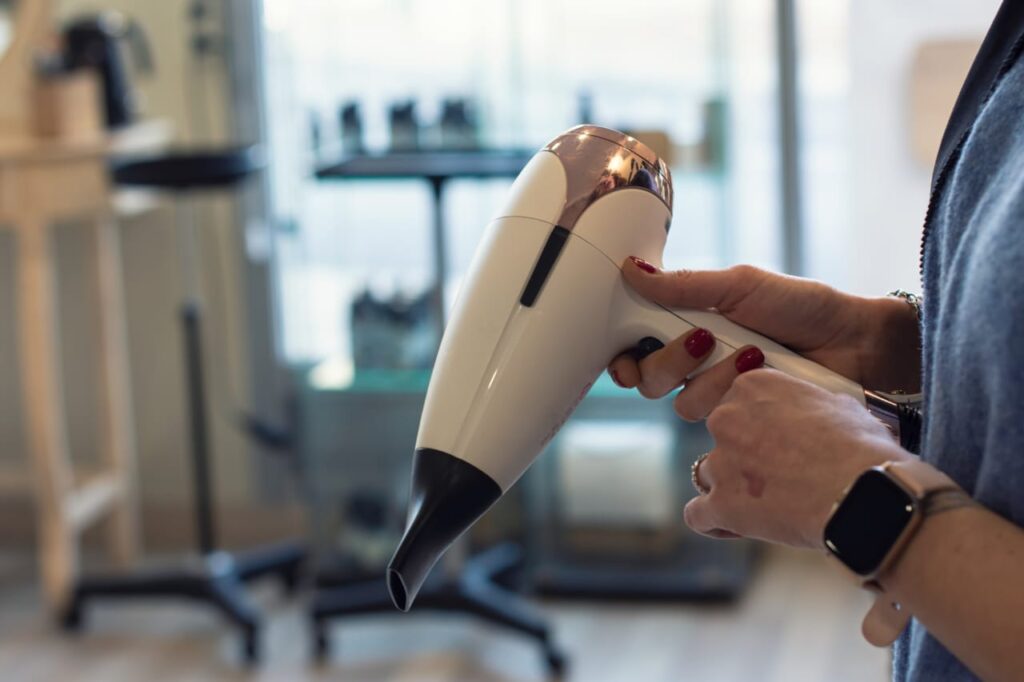
- Heat Styling Tools: Different hair textures require varying heat settings and tool designs. A professional-grade flat iron with adjustable temperature controls (up to 450°F) is essential for coarser textures, while lower temperatures suffice for fine hair. Look for tools with titanium plates for thick, coarse hair and ceramic plates for fine, delicate strands.
- Combs and Brushes: Your toolkit should include: Wide-tooth combs for detangling oily hair- Paddle brushes for smoothing straight and wavy textures- Denman brushes for defining curls- Fine-tooth combs for precision work- Detangling brushes with flexible bristles
Temperature Management for Different Textures
Understanding proper heat settings is crucial for preventing damage while achieving desired results. Here’s a general temperature guide based on hair texture:
- Fine, damaged, or chemically treated hair: 250-300°F
- Medium or wavy hair: 300-350°F
- Thick or coarse hair: 350-400°F
- Very coarse or resistant hair: 400-450°F
Working with Type 4 Hair
Type 4 hair requires special attention and specific techniques. When styling coily hair, proper moisture is key. Using tools with steam or infrared technology can help maintain moisture while styling. Start with thoroughly detangled, well-moisturized hair and work in small sections.
Section Management: Working systematically is crucial. Divide hair into manageable sections based on density and desired style. Use high-quality sectioning clips that won’t snag or break the hair. Always maintain tension control to prevent breakage while achieving the desired straightness or curl pattern.
Techniques for Type 2 and 3 Hair
Wavy and curly hair patterns require versatile approaches. These textures often benefit from diffuser attachments on blow dryers and specialized brushes designed to enhance natural curl patterns. When straightening, use tension techniques that don’t compromise the hair’s natural elasticity.
Moisture Control and Product Integration
Different hair types have varying moisture needs that affect tool selection and technique:
- Type 1: Light moisturizers, heat protectants
- Type 2: Medium-weight products, anti-frizz treatments
- Type 3: Rich moisturizers, curl-defining products
- Type 4: Heavy moisturizers, oils, and butter-based products
Advanced Styling Techniques
- Heat Training: Development of proper heat application techniques is crucial across all hair types. This includes understanding heat distribution, proper sectioning methods, correct tool angle and pressure, and movement speed based on hair texture. Mastering the concept of gradual heat application can prevent heat shock and minimize damage to the hair cuticle, particularly when working with more delicate textures. The ability to adjust heat application techniques based on real-time hair response and moisture content is a skill that distinguishes expert stylists from novices.
- Tension Control: Mastering tension is essential for achieving desired results without causing damage. Different hair types require varying levels of tension during styling. Fine hair requires minimal tension, medium textures need moderate tension, and coarse hair often requires firm but controlled tension. Understanding how to adjust tension based on the hair’s elasticity and moisture content is crucial for preventing breakage and achieving optimal results. The ability to maintain consistent tension throughout the styling process, particularly when transitioning between sections, is a skill that develops with experience and careful attention to the hair’s response.
Building Client Trust
Success in multi-cultural hair styling extends far beyond technical proficiency—it’s fundamentally about building and maintaining client trust. This process begins with thorough consultations where you can demonstrate your knowledge and understanding of their specific hair type and concerns. During these conversations, take time to explain your tool choices and techniques, helping clients understand why certain approaches work best for their hair type. Sharing proper home care advice ensures your clients can maintain their styles between visits, while also demonstrating your investment in their long-term hair health. Keep detailed client records documenting techniques used, temperature settings, and products that worked well, allowing you to provide consistent, personalized service with each visit.
Professional Development
Staying current in multi-cultural hair styling requires an ongoing commitment to education and skill enhancement. Professional development in this field involves participating in specialized training programs that focus on specific hair types and textures. Product knowledge sessions offered by manufacturers can provide valuable insights into new tools and technologies specifically designed for different hair textures. Hands-on workshops offer practical experience working with diverse hair types, while professional certifications demonstrate your expertise to clients and peers alike. Industry trade shows provide opportunities to discover new tools, techniques, and trends in multi-cultural hair styling, helping you stay at the forefront of the industry. This continuous learning approach ensures you can provide the most current and effective styling solutions for your diverse clientele.
Mastering multi-cultural hair styling requires a combination of knowledge, proper tool selection, and refined techniques. By understanding different hair types, investing in quality tools, and continuously developing your skills, you can provide exceptional service to clients of all backgrounds. Remember that each client’s hair is unique, and success comes from combining technical expertise with personalized attention. As you expand your capabilities in multi-cultural hair styling, you’ll not only grow your business but also contribute to a more inclusive beauty industry.

