

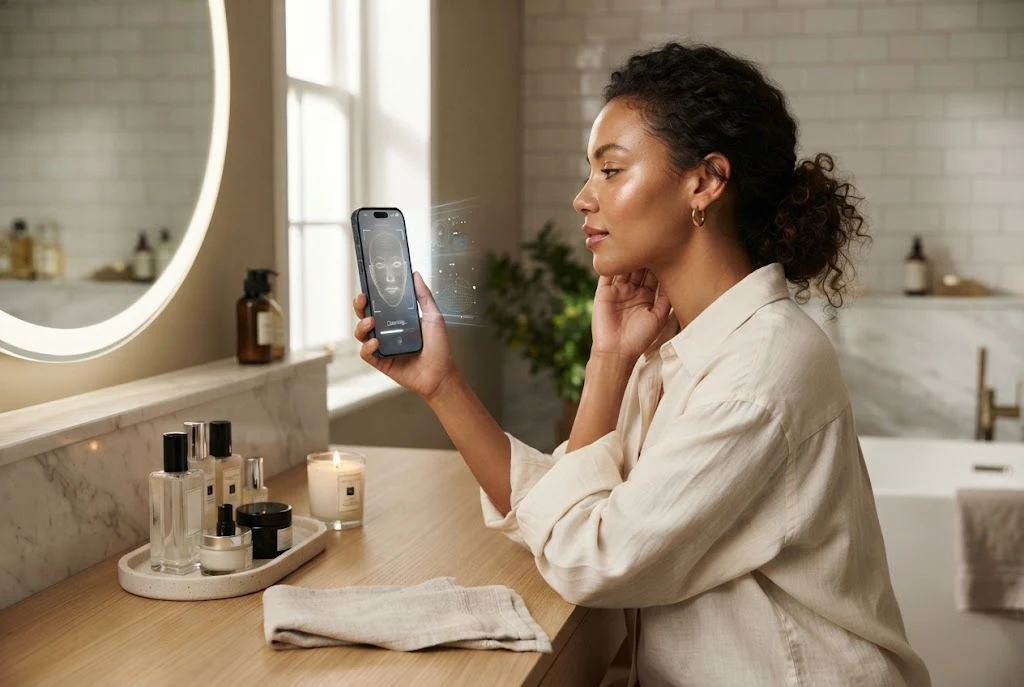
Beauty skin analysis technology is changing how consumers understand their skin and discover skincare products online. Instead of relying entirely on generic product categories or traditional beauty consultations, shoppers can increasingly use AI-powered tools, digital scans and personalised questionnaires to receive recommendations based on their individual skin concerns.
This development is part of a wider shift towards more personalised beauty experiences. Advances in computer vision, artificial intelligence and digital commerce are helping beauty brands create tools that can analyse visible skin characteristics and connect those insights with product recommendations.
The technology does not remove the need for professional advice when someone has a medical skin concern. Instead, its strongest role in ecommerce is helping consumers navigate an increasingly complicated skincare market and make more informed product choices.
What Is Beauty Skin Analysis Technology?
Beauty skin analysis technology refers to digital tools that use technologies such as AI, computer vision, image analysis and structured questionnaires to assess visible aspects of a person’s skin.
A typical experience may ask a shopper to answer questions about their skincare goals and then capture or upload a facial image. The system can analyse selected visible characteristics before producing a digital assessment or product recommendations.
The exact capabilities vary considerably between platforms. Some systems focus on a limited number of visible concerns, while more advanced tools can evaluate multiple facial or skin-related characteristics.
The important development is that the analysis can happen within a digital shopping journey. Consumers do not necessarily need to visit a physical beauty counter before receiving some form of personalised guidance.
How AI Skin Analysis Works
AI skin analysis generally combines image processing with models trained using relevant datasets. The user provides an image, and the system identifies visual patterns associated with the specific characteristics it has been designed to assess.
These characteristics can include visible signs such as uneven tone, fine lines, wrinkles, dark spots, pores, dryness-related appearance or other cosmetic concerns. The exact metrics depend on the technology.
Lighting, camera quality, facial position and image consistency can affect results. This is one reason sophisticated systems need to account for the reality of smartphone photography rather than relying only on controlled laboratory images.
L’Oréal has described this challenge in its research into skin analysis applications, noting that algorithms developed from standardised clinical images need to be adapted to work with selfies taken under different conditions.
Digital Skin Analysis Can Make Online Skincare Easier
Digital skin analysis can be particularly useful in ecommerce because choosing skincare online can be overwhelming.
A typical beauty website may contain hundreds of cleansers, moisturisers, serums, masks and treatments. Product descriptions can explain what each item does, but shoppers still need to determine which products are appropriate for their individual goals.
A digital analysis can act as an additional layer of guidance. Rather than browsing an entire catalogue, consumers may receive a smaller selection based on the concerns they identify or the system detects.
This can make the shopping experience more efficient. It can also help consumers understand why a particular product or routine has been recommended.
AI Skincare Is Moving Towards Personalisation
AI skincare is not limited to identifying visible skin characteristics. The wider opportunity is to connect analysis with personal preferences and product information.
A recommendation system could potentially consider factors such as skincare goals, preferred textures, routine preferences and product categories. This creates a more individualised experience than showing every shopper the same bestseller list.
Some beauty technology systems already combine skin analysis with personalised routines. L’Oréal’s Beauty Tech strategy, for example, describes the use of AI and diagnostic tools to support personalised skin and hair analysis and product recommendations.
Personalisation can also become more useful when consumers are able to provide feedback. If a shopper dislikes a particular texture or wants to focus on a specific concern, the digital experience can potentially become more relevant over time.
Skin Analysis Apps Bring Beauty Consultation to Smartphones
A skin analysis app can make digital beauty guidance accessible through a device that consumers already use every day.
The basic process can be relatively simple. A user answers a few questions, takes a selfie and receives an analysis. Some platforms then recommend products or create a suggested routine.
This convenience is one reason digital skin tools are attractive to beauty retailers. Consumers can explore recommendations before visiting a store or while shopping from home.
However, users should understand that smartphone-based analysis is generally focused on what can be assessed from the available image and information. It should not automatically be interpreted as a clinical diagnosis.
Beauty Scan Technology Is Improving Product Discovery
Beauty scan technology can help connect product discovery with the individual shopper rather than treating skincare as a one-size-fits-all category.
For retailers, this creates an opportunity to guide customers through large product catalogues more intelligently. A shopper who does not know which products to choose can receive a starting point based on the information available to the system.
For customers, the benefit is less about technology for its own sake and more about reducing uncertainty. Skincare is highly personal, and a recommendation that feels relevant can make the shopping journey easier.
The technology can also support product education. Instead of simply displaying a product name and price, a retailer can explain how a product fits into a particular skincare goal.
Personalised Skincare Could Change Beauty Ecommerce
Personalised skincare is becoming an important part of the wider beauty ecommerce experience. The traditional online store presents the same product catalogue to every visitor, while personalisation attempts to adapt that catalogue around individual needs.
Beauty skin analysis technology can become one input into this process. A shopper’s analysis may help determine which products or routines appear most relevant.
This approach can also connect with other ecommerce technologies. AI shopping assistants can help consumers compare recommendations, while virtual try-on tools can support makeup and colour decisions.
As these systems become more connected, the beauty shopping journey could become less about searching through categories and more about describing a goal and receiving guided options.
Smart Skincare Will Combine Analysis With Recommendations
Smart skincare represents a broader concept in which digital tools help consumers make decisions about their routines.
Skin analysis is one part of this ecosystem. Recommendation engines, ingredient databases, virtual consultations and connected beauty devices can all contribute to a more interactive experience.
The future may involve systems that combine several sources of information rather than relying on a single selfie. Consumers could potentially provide information about their preferences, environment and routine alongside visual analysis.
L’Oréal’s Perso concept illustrates this broader approach. Its system combined personal skin analysis with environmental information and user preferences to create personalised skincare formulations.
These developments show how beauty technology can move from simple product recommendations towards more integrated personalisation.
Lighting and Image Quality Still Matter
One of the most important limitations of image-based analysis is that a camera does not capture skin in exactly the same way every time.
Lighting can change the appearance of pigmentation, redness, texture and shadows. Camera processing can also alter colours and details. Distance and facial angle can introduce further differences.
For that reason, consumers should follow the instructions provided by a skin analysis platform carefully. Consistent lighting and a clear, makeup-free image may help the system produce a more useful assessment where those conditions are requested.
Technology companies also need to design systems that account for the variety of real-world images people submit. L’Oréal’s research describes the use of large numbers of selfies to help adapt skin analysis algorithms to less controlled photography conditions.
AI Skin Analysis Needs Inclusive Data
Another important issue is representation. Skin varies significantly between individuals, including differences in tone, age, texture and visible characteristics.
An AI system trained on an overly narrow dataset may not perform equally well for every consumer. Inclusive data and careful testing are therefore important when developing beauty analysis technology.
Beauty companies have a particular responsibility because their products and services are used by diverse populations. A personalised tool cannot truly be considered personalised if its underlying technology does not adequately account for different users.
L’Oréal says its digital beauty technologies are being developed with a focus on personalisation, inclusivity and responsible technology.
Privacy Is Important in Digital Skin Analysis
Consumers should also consider privacy when using a beauty analysis platform.
A selfie is personal information, and users should understand what happens to an image after an analysis. Depending on the service, data may be processed, stored or connected with other account information.
Clear privacy policies can help consumers understand these practices. Beauty retailers should also make privacy information easy to find rather than hiding important details deep within legal documentation.
Trust will become increasingly important as beauty technology becomes more sophisticated. People are more likely to use digital tools when they understand how their information is handled and have meaningful control over their data.
Beauty Skin Analysis Technology Should Support Human Expertise
AI can make beauty shopping more convenient, but it should not automatically replace professional expertise.
A digital tool can analyse selected visible characteristics and recommend cosmetic products. It may not account for every factor relevant to a person’s skin or identify conditions that require professional assessment.
That distinction is important. Beauty ecommerce tools should be positioned as decision-support technology rather than universal medical diagnostic systems unless they have been specifically developed and validated for a clinical purpose.
This is also where human beauty advisors can remain valuable. Technology can narrow down options and provide data-driven suggestions, while a trained professional can discuss preferences, concerns and individual circumstances.
AI Skin Analysis Can Improve Beauty Retail Experiences
The technology has applications beyond online shopping.
In physical stores, a beauty advisor can use a digital analysis tool as part of a consultation. The customer can receive a more structured discussion about visible skin concerns and suitable products.
Online, the same concept can help consumers begin their research before contacting a retailer. This creates a more connected journey between ecommerce and physical retail.
For beauty businesses, this can also create opportunities to learn which product categories customers are interested in, although any collection and use of customer data should be transparent and compliant with applicable privacy requirements.
How Skin Analysis Technology Could Connect With AI Shopping
The next development may be the integration of skin analysis with broader AI shopping experiences.
Imagine a shopper completing a digital skin assessment and then asking an AI assistant to build a simple routine within a specific budget. The assistant could potentially explain the role of each product, compare alternatives and help the shopper navigate the retailer’s catalogue.
This would connect AI skincare with the wider developments discussed in the future of fashion and beauty ecommerce.
The result could be a more conversational beauty shopping experience where customers explain what they want instead of manually searching through dozens of product pages.
Beauty Analysis Could Become More Continuous
Today, many digital skin analysis tools are used as one-off experiences. A consumer takes a selfie, receives recommendations and then leaves the platform.
Future systems could potentially make the process more continuous. Users might return periodically to compare results, update preferences or adjust routines.
This could make personalisation more dynamic, but it would also increase the importance of responsible data practices. The more frequently a platform collects personal information, the clearer its privacy controls need to be.
There is also a need to avoid creating unnecessary anxiety. Beauty technology should help consumers understand their options without encouraging obsessive monitoring of normal variations in appearance.
What Beauty Brands Should Consider
Brands considering AI skin analysis should focus on usefulness before novelty.
First, the tool should provide a clear consumer benefit. Customers need to understand why they should complete an analysis rather than simply browse products.
Second, recommendations should be explainable. A shopper is more likely to trust a product suggestion when the platform explains which preferences or visible concerns influenced it.
Third, the experience should be easy to use. Complicated instructions, poor mobile performance or unclear results can undermine the value of sophisticated technology.
Finally, privacy and inclusivity should be built into the product experience from the beginning rather than added later.
The Future of Beauty Skin Analysis Technology
The future of beauty skin analysis technology will likely involve increasingly connected experiences rather than standalone scanning tools.
AI analysis, personalised skincare, virtual beauty experiences, ecommerce recommendations and digital consultations can work together to create a more tailored shopping journey.
Beauty brands are already exploring this direction. L’Oréal describes its Beauty Tech strategy as combining science, technology, AI and digital services to support personalised beauty experiences, while its research includes AI-powered skin analysis tools.
At the same time, the technology will need to become more transparent and responsible. Better analysis is valuable only when consumers can understand its limitations and trust how their information is handled.
The most successful systems will therefore combine technology with practical beauty expertise. AI can help consumers navigate choices, but human judgement, product quality and responsible recommendations will remain central to a good skincare experience.
A More Personal Future for Beauty Shopping
Beauty ecommerce is moving towards a model where the customer journey can adapt around individual needs. Skin analysis is one of the technologies helping make that possible.
Instead of presenting everyone with the same products, retailers can increasingly provide guidance based on personal preferences and visible skin concerns. When combined with AI assistants, virtual experiences and better product data, this could make online beauty shopping more useful and less overwhelming.
Beauty skin analysis technology is therefore not simply about scanning a face. Its larger significance lies in connecting personalisation, technology and ecommerce in a way that helps consumers make more informed beauty choices.
The future will belong to tools that are accurate enough to be useful, transparent enough to earn trust and simple enough to fit naturally into everyday beauty routines.
