

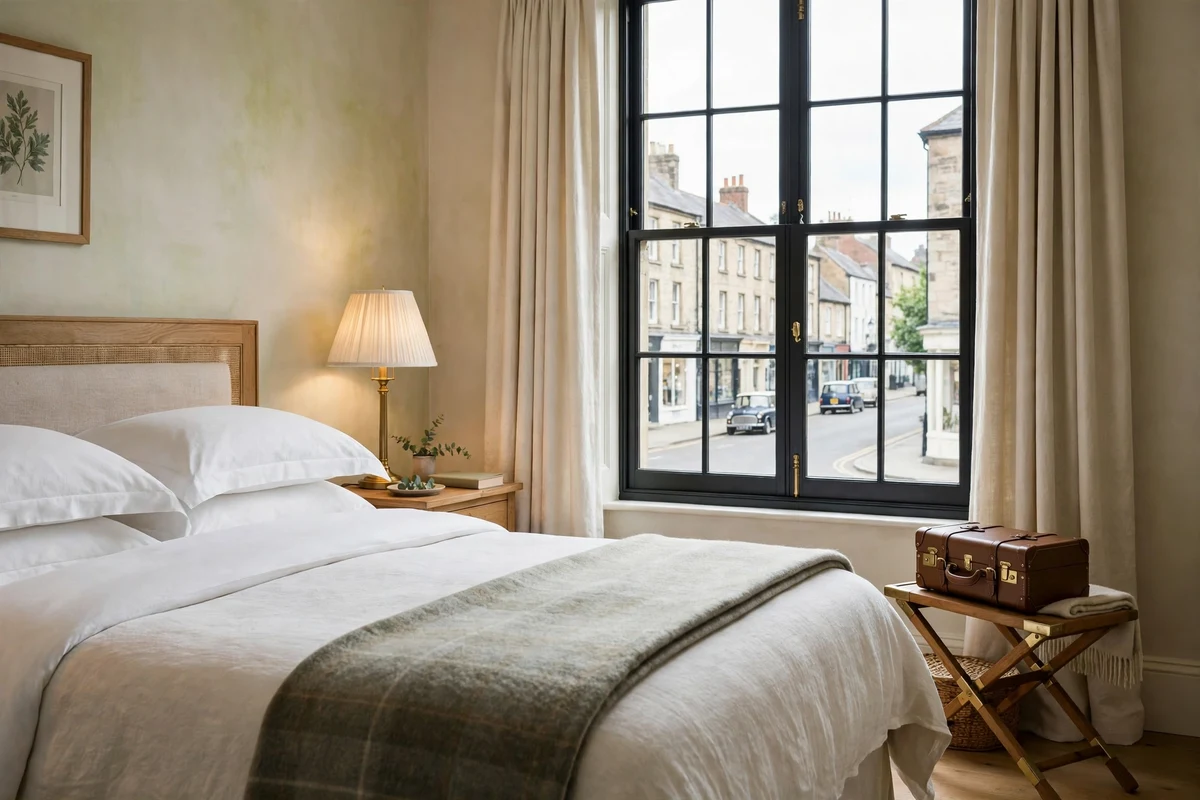
Booking the right room can make or break a trip, yet most of us spend longer choosing a restaurant than choosing where we will sleep. Learning how to choose a hotel properly is not about finding the fanciest property or the cheapest deal. It is about matching a hotel to the way you actually travel, then checking the details that listings tend to gloss over. Whether you are planning a city break, a family holiday or a stop on a longer UK road trip, the checks below will help you book with confidence.
Start With Location, Not the Room
The single biggest factor in how to choose a hotel is where it sits. A beautiful room in the wrong neighbourhood means long walks, expensive taxis and wasted evenings. Before looking at photos, open a map and check the distance to the places you will actually visit: the station, the venue, the town centre or the beach. In big cities, a hotel two streets further out can halve in price while adding only five minutes to your walk. In rural areas, think about parking, evening food options and how remote you are comfortable being. A bargain in the middle of nowhere stops feeling like one when the nearest dinner is a twenty-minute drive.
Read Reviews the Smart Way
Star ratings tell you what facilities a hotel claims to have, not whether guests enjoyed staying there. Recent guest reviews are far more useful, but read them critically. Look for patterns rather than one angry outlier: repeated comments about noise, thin walls, tired bathrooms or slow Wi-Fi are worth taking seriously. Reviews from the last few months matter most, because management and standards change. Also check who is reviewing. A hotel loved by business travellers for its desk space and early breakfast may disappoint a family that needs a pool and adjoining rooms. Filter for reviews from people travelling the same way you are.
How to Choose a Hotel Room That Suits How You Sleep
Once the location and reviews check out, look closely at the room itself. Bed size is rarely stated clearly, so check whether that “double” is a standard double or a small one, especially if you are tall or sharing. If a good night’s sleep matters, our guide to bed designs and comfort is a useful reminder of how much the right bed setup affects rest. Ask which floor the room is on if street noise bothers you, and whether the windows open — older buildings can get warm at night. Accessible rooms vary widely too, so if you need step-free access or an adapted bathroom, ring the hotel rather than relying on the listing; the same care that goes into designing safe, comfortable living spaces should apply to the room you book.
Know the Different Hotel Types
Part of learning how to choose a hotel is knowing what each type of property actually offers. Chain hotels are predictable: consistent rooms, standard check-in times and loyalty points, which suits business trips and late arrivals. Independent and boutique hotels offer more character and local knowledge, but standards vary, so reviews matter more. Guest houses and bed-and-breakfasts give a warmer welcome and a cooked breakfast, yet often have earlier check-in windows and less flexibility at night. Aparthotels add a small kitchen and living space, ideal for families and longer stays where eating out every night gets expensive. None of these is automatically better. The right choice is the one whose strengths match your trip, whether that is a family-run B&B in the countryside or a business hotel beside the station.
Check the Real Cost Before You Book
The headline rate is rarely the final price. Breakfast may be charged per person per day, parking can add a significant amount in city centres, and some hotels add fees for early check-in or late checkout. Compare the total cost of the whole stay, not the nightly figure. It is also worth checking whether booking direct with the hotel beats the comparison sites: many properties offer a small discount, a free breakfast or a more flexible cancellation policy when you book with them. Free cancellation is worth paying slightly more for if your plans might change, because the cheapest prepaid rates are usually gone for good if you cannot travel.
Facilities Worth Checking (and Ones to Ignore)
Hotels list dozens of facilities, but only a handful will affect your stay. Check the ones you will genuinely use: reliable Wi-Fi if you are working, a lift if you have heavy luggage or mobility needs, air conditioning in summer, and laundry facilities on longer trips. On the subject of Wi-Fi, hotel networks are public, so avoid online banking on them and keep your accounts protected — our advice on keeping streaming and online accounts secure applies just as much in a hotel lounge as at home. Spa access, a gym and a business centre look impressive in photos but rarely justify paying more if you will never use them. If you are driving, confirm the parking situation in detail before arrival, and keep your car trip-ready with the basics from our UK car servicing guide.
Questions to Ask Before You Confirm
A two-minute phone call can prevent most hotel disappointments. Ask about check-in and checkout times and whether luggage can be left if you arrive early. Confirm whether the room has a shower or a bath if that matters to you, whether cots or extra beds can be added, and what the policy is on dogs if you travel with one. If you have allergies, ask about feather-free bedding and whether the room is carpeted. Good hotels answer these questions happily, and the tone of the response tells you a lot about the stay you are likely to get.
A Quick Word About Photos
Finally, treat listing photos as advertising, not evidence. Wide-angle lenses make small rooms look generous, and the pool photographed at golden hour may be far less inviting on a grey Tuesday. Cross-check the photos against recent guest pictures in reviews, which show rooms as they really are: the view from the window, the size of the bathroom, the state of the carpet. If every guest photo looks noticeably worse than the official ones, believe the guests.
Booking With Confidence
Knowing how to choose a hotel comes down to a short routine: shortlist by location, filter by recent reviews from travellers like you, check the room details that affect sleep, compare the true total cost, and confirm the few facilities you will actually use. Do that, and the glossy photos become the least important part of the decision. The right hotel is simply the one that fits your trip, your budget and your sleep — and now you know exactly how to find it.
