

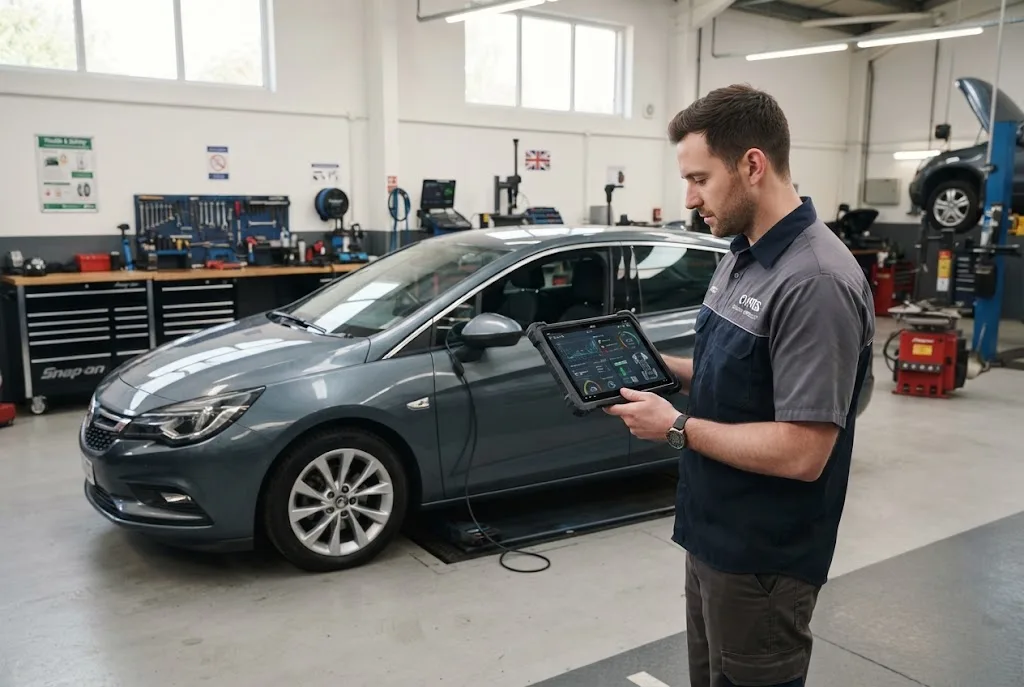
Vehicle maintenance is becoming increasingly connected as modern cars generate more electronic data and communicate with digital systems. Instead of relying entirely on fixed service intervals or waiting for a warning light, connected technologies can provide additional information about vehicle condition, usage and potential maintenance requirements.
Connected vehicles, telematics, Internet of Things (IoT) monitoring and digital service histories are helping reshape how maintenance can be planned and managed. These technologies do not remove the need for qualified technicians or routine servicing, but they can give drivers, garages and fleet operators more information to work with.
For UK motorists, this creates an opportunity to combine traditional servicing with smarter digital tools while still following the manufacturer’s recommended maintenance schedule and applicable vehicle requirements.
What Is Connected Vehicle Maintenance?
Connected vehicle maintenance uses information generated by a vehicle and associated digital systems to support maintenance planning, monitoring and record keeping.
A connected vehicle may contain numerous sensors and electronic control units that monitor different aspects of its operation. Depending on the vehicle and technology available, information can potentially be used to identify certain system conditions, maintenance requirements or unusual behaviour.
The exact information available varies considerably between vehicles. Therefore, connected monitoring should be viewed as an additional source of information rather than a universal replacement for physical inspections and scheduled servicing.
How Connected Vehicles Support Vehicle Maintenance
Connected vehicles can communicate selected information through onboard connectivity, telematics systems or compatible diagnostic devices. This can allow authorised platforms to collect and analyse vehicle data remotely.
For a driver, this might mean receiving a maintenance alert when a monitored condition requires attention. For a business operating multiple vehicles, connected data can provide a broader overview of vehicles in operation.
This approach can be particularly useful when maintenance teams need to manage vehicles across different locations. Rather than waiting for every driver to report an issue manually, a connected system can potentially bring relevant information into one place.
However, connectivity does not mean that every vehicle component can be continuously assessed. Some mechanical conditions still require a physical inspection, measurement or diagnostic procedure carried out by a qualified professional.
IoT Vehicle Monitoring Explained
IoT vehicle monitoring connects vehicles to digital platforms that collect and process information. The IoT, or the Internet of Things, refers broadly to physical devices that can collect and exchange data through connected systems.
In automotive applications, this can include vehicle tracking, telematics, sensor information and operational data. The resulting information can help organisations understand how vehicles are being used and when particular maintenance tasks may need to be considered.
For fleet operators, this can be especially relevant because vehicle usage can differ significantly from one vehicle to another. A fixed maintenance schedule may remain necessary, but additional usage information can provide useful context for planning inspections and servicing.
Maintenance Alerts and Proactive Servicing
Maintenance alerts are one of the most visible applications of connected vehicle technology. Instead of relying entirely on memory or a paper service reminder, a digital system can notify an appropriate person when a monitored maintenance condition or scheduled task needs attention.
Alerts can potentially help with tasks such as service scheduling, inspection planning or addressing certain dashboard warnings. Their value depends on what the vehicle and connected platform can actually monitor.
Drivers should also distinguish between a maintenance reminder and an emergency warning. A routine service reminder does not necessarily indicate an immediate fault, while a serious dashboard warning may require prompt attention.
When a warning light appears, using appropriate auto inspection services and professional diagnostics can help determine the underlying issue rather than relying on the warning symbol alone.
The Role of Telematics in Vehicle Maintenance
Telematics combines telecommunications and information processing to transmit and analyse vehicle-related data. It is widely associated with fleet management, vehicle tracking and connected services.
For maintenance teams, telematics can provide useful operational context. Depending on the system, information may include vehicle location, mileage, driving patterns or other available vehicle data.
This information can support maintenance planning by helping operators understand when vehicles are approaching scheduled service requirements or which vehicles may need closer attention.
For example, a fleet manager could use mileage information to organise upcoming servicing appointments. This can help reduce the risk of a vehicle reaching a maintenance milestone without the responsible team being aware of it.
Digital Service History for Better Records
A digital service history can make vehicle records easier to organise and access. Instead of keeping maintenance information exclusively in physical paperwork, relevant records can be stored electronically where appropriate.
A digital record may contain information about previous servicing, inspections, repairs and other maintenance activities. When a vehicle returns to the same garage, technicians may be able to use this history to understand what has already been completed.
This is particularly useful when diagnosing recurring issues. Previous repair information can provide context and prevent technicians from approaching every visit as though no history exists.
Digital records also connect naturally with modern auto repair services. Diagnostic findings and repair information can become part of a wider record that supports future maintenance decisions.
Remote Maintenance and Connected Servicing
Remote maintenance does not mean that a vehicle can be physically repaired from a distance. Instead, the term generally describes technology that allows relevant vehicle information, alerts or service data to be accessed remotely.
This can help garages or fleet teams identify which vehicles may need attention before arranging a physical workshop visit.
For some connected systems, remote access can also help technicians prepare for an appointment. If diagnostic information is available before the vehicle arrives, the workshop may have an initial indication of the issue and can plan the diagnostic process accordingly.
The practical capabilities vary between vehicle manufacturers, connected platforms and diagnostic systems. Remote monitoring should therefore be treated according to the specific capabilities of the technology being used.
Cloud Maintenance Systems
Cloud maintenance platforms allow vehicle-related information to be stored and accessed through online systems. This can be valuable for garages and fleets that need to manage information across multiple devices or locations.
For example, a workshop could use a cloud-based platform to keep customer records, vehicle information, service schedules and maintenance notes together. Authorised staff could then access relevant information without relying on a single physical computer or filing cabinet.
Cloud systems can also support collaboration between service advisers, technicians and managers. When everyone works from the same current record, there is less reliance on manually transferring information between separate systems.
This connects closely with the development of auto service garage technology, where garage management and workshop software increasingly bring administrative and technical processes together.
Smart Vehicle Monitoring and Predictive Maintenance
Smart vehicle monitoring can provide a foundation for more proactive maintenance strategies. When vehicle information is collected over time, software may be able to identify patterns that indicate a change in operating behaviour.
This is where connected maintenance overlaps with predictive diagnostics. Rather than responding only after a component fails, predictive approaches attempt to identify potential problems earlier based on available data.
Machine learning and automotive AI can potentially assist with this type of analysis. However, predictions are only as useful as the underlying data and diagnostic methodology. A software-generated indication should still be assessed by an appropriate automotive professional before significant repair decisions are made.
Benefits of Connected Vehicle Maintenance
Connected technology can provide several practical benefits when properly implemented:
- Earlier awareness: Digital alerts can highlight certain maintenance requirements or monitored conditions.
- Better scheduling: Mileage and usage information can help organise upcoming servicing.
- Centralised records: Digital service histories can make previous work easier to review.
- Fleet visibility: Connected systems can give operators information about multiple vehicles.
- Improved preparation: Available diagnostic information can help workshops prepare for some appointments.
- Data-driven planning: Historical information can support more informed maintenance decisions.
Limitations to Consider
Connected technology should not be confused with complete vehicle health assessment. Sensors only monitor the conditions they are designed to measure, and different vehicles expose different types of data.
A connected platform may identify an electronic fault while being unable to detect a mechanical issue that requires a physical examination. Tyres, brakes, suspension components and other parts may still need hands-on inspection depending on the circumstances.
Data privacy is another consideration. Vehicle connectivity can involve information about vehicle usage, location and other operational details. Drivers and businesses should understand what information a connected system collects, where it is stored and who has access to it.
The Future of Vehicle Maintenance
The future of vehicle maintenance is likely to involve closer integration between physical servicing and digital information. Connected vehicles can provide additional data, cloud platforms can organise it, and diagnostic software can help technicians interpret relevant information.
This does not make traditional automotive skills obsolete. Instead, the role of the technician can increasingly include interpreting digital information alongside mechanical and electrical testing.
For motorists, the result could be a more structured maintenance experience. Service reminders, digital records, connected alerts and professional inspections can work together to provide a clearer picture of a vehicle’s condition throughout its ownership.
As automotive connectivity develops, maintenance is becoming less isolated from the rest of the vehicle’s digital ecosystem. The combination of connected vehicles, IoT monitoring, telematics and professional workshop expertise can support a more proactive approach to keeping vehicles maintained and ready for the road.
