

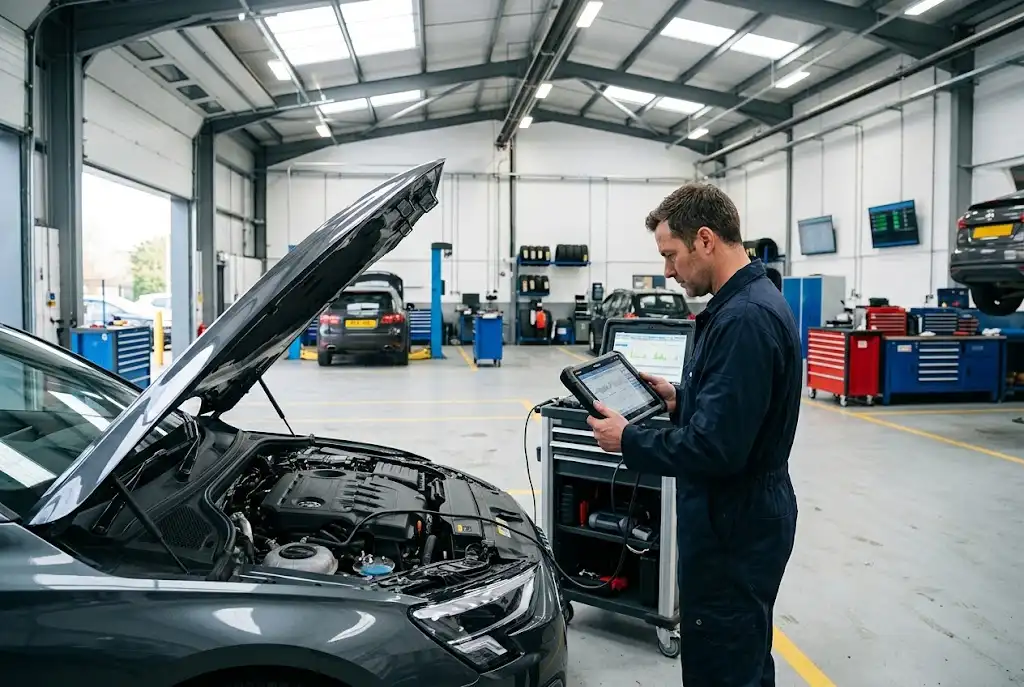
Modern auto repair services are changing as workshops adopt digital tools, connected vehicle technology and more efficient repair processes. What was once largely a paper-based process can now involve digital inspections, electronic job records, repair management software, diagnostic equipment and automated customer updates.
For drivers, this transformation can make vehicle repairs easier to understand and manage. For workshops, technology can help organise jobs, improve communication and create a more consistent workflow. The result is an automotive repair industry that increasingly combines traditional mechanical expertise with smarter digital systems.
What Are Modern Auto Repair Services?
Auto repair services cover the inspection, maintenance, diagnosis and repair of vehicles. These services can range from relatively straightforward mechanical work to complex diagnostics involving electronic vehicle systems.
The work itself remains highly dependent on qualified technicians and appropriate equipment. However, the way repair businesses organise and deliver that work is changing rapidly.
Digital systems can now support everything from booking an appointment to recording inspection findings, managing parts and communicating with customers. This creates a connected process in which information can move more efficiently between the customer, technician and workshop.
Why Technology Matters in Auto Repair Services
Vehicle technology has become considerably more sophisticated. Modern cars contain numerous electronic systems, sensors and computer-controlled components. Consequently, repairing a vehicle increasingly requires access to both mechanical knowledge and digital diagnostic capabilities.
Technology can also improve the business side of a workshop. Instead of relying on separate spreadsheets, paper forms and manual records, repair businesses can use integrated systems to manage appointments, work orders, customer information and vehicle histories.
This does not eliminate the need for skilled technicians. Rather, it gives them better information and tools with which to perform their work.
Better Information at the Right Time
A digital repair workflow can make relevant vehicle and customer information available to technicians when they need it. Previous work, inspection results and job details can be recorded in one system instead of being scattered across different documents.
More Consistent Processes
Repair management software can help workshops standardise routine administrative processes. This can make it easier to track vehicles as they move through inspection, diagnosis, repair and completion.
Clearer Customer Communication
Digital systems can also support updates throughout the repair process. Customers may receive information about inspection findings, recommended work, appointment progress or completion without repeatedly contacting the workshop.
Digital Repair Workflow Explained
A digital repair workflow connects the different stages of a vehicle repair into a more organised process. It can begin when a customer books an appointment and continue through inspection, diagnosis, quotation, repair and final collection.
For example, vehicle information can be entered when the booking is created. When the vehicle arrives, a technician can record inspection findings digitally. Required work can then be documented and passed through the appropriate approval process before the repair begins.
Once the job is completed, the system can retain a record of the work performed. This creates a useful maintenance history that may support future servicing and repair decisions.
How Repair Software Supports Workshops
Repair software is becoming an important part of modern workshop management. Instead of treating every administrative task separately, a suitable system can bring multiple activities into one digital environment.
Depending on the software, features may include appointment scheduling, customer records, vehicle information, job management, technician allocation, parts tracking, invoicing and digital inspection reports.
The most useful system is not necessarily the one with the greatest number of features. Workshops should choose technology that matches their size, workflow and service requirements.
Workshop Automation and Everyday Operations
Workshop automation can reduce repetitive administrative work and help staff focus their attention on tasks that require professional judgement. Automated reminders, appointment notifications and digital job updates are examples of processes that can be handled with less manual intervention.
Automation can also help businesses manage a busy workshop more effectively. When several vehicles require attention simultaneously, having a central system for tracking jobs can provide greater visibility over what has been booked, inspected, approved, repaired and completed.
However, automation should support rather than replace human oversight. Vehicle repairs involve safety considerations and technical decisions that should remain under appropriate professional control.
Smart Repair Systems and Vehicle Diagnostics
Smart repair systems bring together diagnostic technology and digital information to help technicians investigate vehicle problems. Modern diagnostic tools can communicate with vehicle systems and provide information that may help identify areas requiring further investigation.
For suitable vehicles, this technology can make the diagnostic stage more efficient. It can also help technicians identify electronic faults that would be difficult to investigate through visual inspection alone.
Nevertheless, diagnostic information must be interpreted correctly. A diagnostic code does not automatically explain the complete cause of a vehicle problem. Skilled technicians still need to assess symptoms, inspect components and determine the appropriate repair.
Connected Repair and the Modern Vehicle
Connected repair is becoming increasingly relevant as vehicles themselves become more connected. Cars can generate and communicate large amounts of information, while digital systems can store and process information about previous maintenance and repairs.
This creates opportunities for a more proactive approach to vehicle care. Instead of waiting for a serious problem to develop, suitable connected systems may help identify maintenance requirements earlier.
The concept also connects closely with mobile auto service. A customer might identify a problem through a warning message, arrange mobile diagnostics and then move to a workshop when a more extensive repair is required.
Benefits for Vehicle Owners
Technology-driven auto repair services can provide several practical benefits for motorists.
- Better visibility: Digital job information can make it easier to understand what work is being performed.
- Convenient communication: Electronic updates can reduce the need for repeated telephone calls.
- Improved records: Digital maintenance histories can help owners keep track of previous work.
- Faster administration: Digital booking and job management can reduce unnecessary paperwork.
- More informed decisions: Digital inspection information can help customers understand recommended repairs.
These benefits are especially valuable when combined with transparent explanations from qualified automotive professionals.
How Digital Systems Can Improve Repair Management
Repair management is not only about fixing the vehicle. Workshops also need to manage appointments, technicians, parts, customer communication and job completion.
A central digital system can provide a clearer view of these activities. Managers can see which vehicles are waiting for inspection, which jobs have been approved and which repairs are ready for completion.
This visibility can help workshops identify bottlenecks and improve how work is allocated. Over time, better data can also reveal recurring operational problems and opportunities for improvement.
Auto Repair Services and the Future of Workshops
The future of auto repair services is likely to involve a combination of physical expertise and increasingly sophisticated digital tools. Artificial intelligence, connected vehicles, cloud-based software and automated workflows may all play a role in how repair businesses operate.
AI could potentially assist with analysing large amounts of vehicle information, prioritising maintenance requirements or supporting technicians with diagnostic information. Cloud systems can make relevant business data accessible across different devices and locations, while connected vehicles may provide additional information about vehicle condition.
These technologies should be viewed as supporting tools rather than replacements for qualified automotive professionals. A reliable repair still depends on correct diagnosis, appropriate parts, competent workmanship and proper safety procedures.
Choosing an Auto Repair Service
Technology alone should not be the deciding factor when choosing a repair provider. Drivers should consider the provider’s experience, qualifications, reputation, transparency and ability to carry out the required work properly.
It is also useful to understand what is included in an inspection or repair quotation. A professional provider should be able to explain the recommended work in clear language and distinguish between essential repairs and additional maintenance recommendations.
For routine maintenance, drivers should also consider how servicing fits with their wider MOT and service requirements. Understanding car service cost can also help motorists plan maintenance expenses rather than treating every repair as an unexpected cost.
A More Connected Approach to Vehicle Maintenance
The automotive repair industry is moving towards a more connected model in which workshops, vehicles, technicians and customers can share information more efficiently. Digital booking, mobile diagnostics and workshop software are different parts of the same wider transformation.
For drivers, this can mean a simpler journey from identifying a vehicle problem to getting the right assistance. For workshops, it can create better operational visibility and more organised repair processes.
As automotive technology continues to develop, the strongest repair businesses will likely be those that combine modern digital systems with experienced technicians and a clear focus on customer service. That balance can make auto repair services more efficient without losing the professional judgement that safe vehicle maintenance requires.
For information on official vehicle testing requirements in Great Britain, motorists can consult the GOV.UK MOT guidance.
