

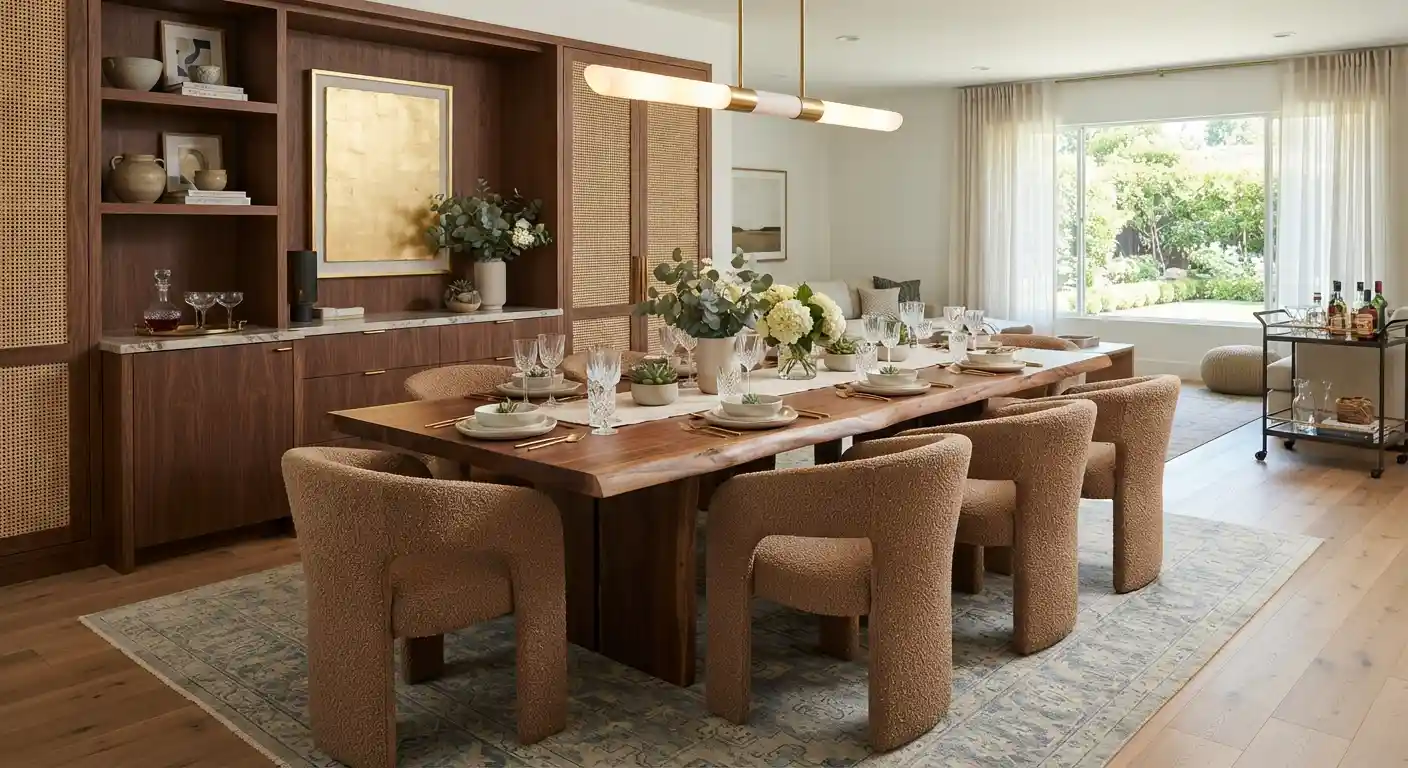
The dining area is more than just a place to eat. It can become a central part of the home where family members gather, guests are entertained, and everyday conversations take place. A thoughtfully designed dining space should therefore combine comfort, practicality, and visual appeal.
Creating an attractive dining area does not necessarily require a complete interior makeover. Choosing the right furniture, arranging the space carefully, and introducing complementary lighting and accessories can make a significant difference. Whether you have a separate dining room or a small dining corner within an open-plan kitchen, the right approach can help you create a welcoming environment.
Start by Understanding Your Available Space
Before selecting furniture, consider the size and layout of the area. A dining set that looks perfect in a large room may feel overwhelming in a compact space, while furniture that is too small can make a larger room appear disconnected.
Measure the available floor area and consider how much space is needed for people to move around the table. Chairs should be able to slide out comfortably without blocking nearby doors, cabinets, or walkways.
In an open-plan home, the dining area should also work visually with the kitchen and living room. Choosing complementary colors and materials can help create a sense of continuity between different zones.
Choose Furniture That Fits Your Lifestyle
Dining furniture should be selected according to how the space will actually be used. A household that enjoys regular family meals may need a larger table, while a smaller household may benefit from a compact design that leaves more open floor space.
For homes where the kitchen and dining areas are closely connected, choosing coordinated kitchen and dining furniture sets can create a more cohesive appearance. Matching or complementary finishes help connect the two areas while maintaining a consistent interior style.
Comfort should also be considered when choosing dining chairs. Attractive furniture is useful, but comfortable seating can make meals and gatherings much more enjoyable.
Consider the Shape of the Dining Table
The shape of the table can influence both the appearance and functionality of a dining area. Rectangular tables are popular because they work well in larger rooms and can accommodate several people.
Round tables can be particularly useful in smaller spaces because they create a softer visual appearance and make conversation easier. Square tables can also work well when the room has a balanced layout.
The best option depends on the available space, the number of people using the table, and the overall style of the home.
Select a Suitable Material and Finish
Dining tables are available in many different materials, including solid wood, engineered wood, glass, metal, and combinations of several materials. Each option creates a different atmosphere.
Wood can add warmth and a timeless appearance, making it suitable for traditional, rustic, and contemporary interiors. Glass can make a smaller dining area appear lighter and more open, while metal details can introduce a modern industrial character.
The finish should also complement existing furniture. If the kitchen contains wooden cabinets, for example, introducing similar wood tones in the dining area can create visual harmony.
Use Lighting to Define the Dining Area
Lighting can transform the atmosphere of a dining space. A pendant light positioned above the dining table can provide practical illumination while also becoming a focal point.
The size of the light fixture should correspond to the table and room. An oversized fixture can dominate a small dining area, while a very small light may not provide enough visual impact in a larger room.
Warm lighting is often suitable for dining spaces because it creates a relaxed and inviting atmosphere. Dimmers can provide additional flexibility, allowing the brightness to be adjusted depending on whether the space is being used for a casual meal, family gathering, or evening dinner.
Add Comfortable Seating
Dining chairs should provide enough support for people to sit comfortably throughout a meal. The height of the chairs should be appropriate for the table, with enough legroom underneath.
Upholstered chairs can add softness and comfort, while wooden or metal chairs may offer a cleaner and more contemporary appearance. Mixing different chair styles can also work when done intentionally.
For larger households, benches can provide flexible seating and can sometimes accommodate more people without taking up as much visual space as individual chairs.
Create a Cohesive Color Scheme
Color is another important part of dining room decoration. Neutral shades can create a calm foundation, while stronger colors can be introduced through chairs, artwork, rugs, curtains, or decorative accessories.
The dining area does not need to use exactly the same colors as the kitchen. However, choosing related shades can help the spaces feel connected, particularly in an open-plan layout.
Natural tones such as beige, cream, brown, white, and muted green can create a relaxed environment. Darker accents can then be added to provide contrast and definition.
Make Use of Wall and Floor Decor
Decorative details can give a dining space more personality. Artwork, mirrors, wall shelves, and decorative objects can make otherwise empty walls more interesting.
A mirror can be particularly useful in a smaller dining area because it can reflect light and create the impression of additional space. Artwork can establish a focal point and introduce colors that complement the furniture.
An area rug beneath the dining table can also help define the dining zone. When selecting a rug, consider its size and practicality. It should extend beyond the chairs enough to remain comfortable when they are pulled away from the table.
Keep Storage Practical
Storage can be an important consideration, particularly in smaller homes. Sideboards, cabinets, and shelving can provide space for tableware, serving dishes, linens, and other dining essentials.
A sideboard can also become a decorative feature when styled with artwork, lamps, vases, or carefully selected accessories. Closed storage is useful for keeping less attractive everyday items out of sight and maintaining a tidy appearance.
In open-plan homes, storage furniture should ideally complement the kitchen and dining furniture so that the overall space feels coordinated.
Think About Everyday Maintenance
Dining furniture needs to withstand regular use, so maintenance requirements should be considered before making a purchase. Families may benefit from surfaces that are easy to clean, particularly when meals are frequently shared with children.
Table surfaces should be protected from excessive moisture, heat, and scratches according to the manufacturer’s care recommendations. Chair fabrics should also be selected with the household’s lifestyle in mind.
Choosing durable furniture may cost more initially, but it can provide better long-term value when properly maintained.
Make the Dining Space Personal
Once the main furniture is in place, personal details can make the dining area feel more welcoming. Plants, tableware, artwork, candles, vases, and seasonal decorations can all introduce character.
A simple centerpiece can change the appearance of the table without taking up too much space. Fresh flowers can create a natural focal point, while a decorative bowl or vase can provide a more permanent option.
Personal touches should complement rather than overwhelm the main furniture. A few carefully selected pieces are often more effective than filling every available surface.
Design for Social Gatherings
A well-designed dining space should be comfortable when guests visit. If you regularly entertain, consider furniture that provides flexible seating arrangements.
Extendable dining tables can be particularly useful because they can remain compact during everyday use and provide additional space when guests arrive. Extra chairs or a bench can also help accommodate changing numbers of people.
The surrounding layout should leave enough room for guests to move comfortably between the dining area, kitchen, and other parts of the home.
Connect the Kitchen and Dining Areas
When a dining space is located close to the kitchen, visual coordination becomes especially important. Furniture with complementary finishes, similar colors, or matching design details can create a more unified appearance.
Well-coordinated kitchen and dining furniture sets can help achieve this connection while making the entire area feel intentionally designed rather than made up of unrelated pieces.
This approach is particularly effective in modern open-plan homes, where the kitchen, dining, and living areas are visible from one another.
Final Thoughts
Creating a stylish and functional dining space is primarily about choosing furniture and decoration that work well together and suit everyday needs. The right table, comfortable seating, appropriate lighting, practical storage, and carefully selected accessories can transform the dining area into one of the most enjoyable parts of the home.
Start by assessing the available space and deciding how the dining area will be used. From there, choose furniture that fits comfortably, establish a coordinated color scheme, and add personal details that reflect your style.
With thoughtful planning, even a compact dining area can become a comfortable and attractive place for everyday meals, family occasions, and memorable gatherings.
